Ashburn · Cook County · IL
Homes for sale in
Ashburn.
- Active listings
- 1
- Median list
- $450K
- Avg time on market
- 141 days
- Sold · last year
- 192
Active listings
1 home on the market

Beat the rest of the buyers
Be the first to know when a new Ashburn home hits the market
Save the search and you will get a text and an email the moment a new listing matches. Most Ashburn homes go under contract in the first week, the buyers who win are the ones who saw it first.
About the community
Living in Ashburn.
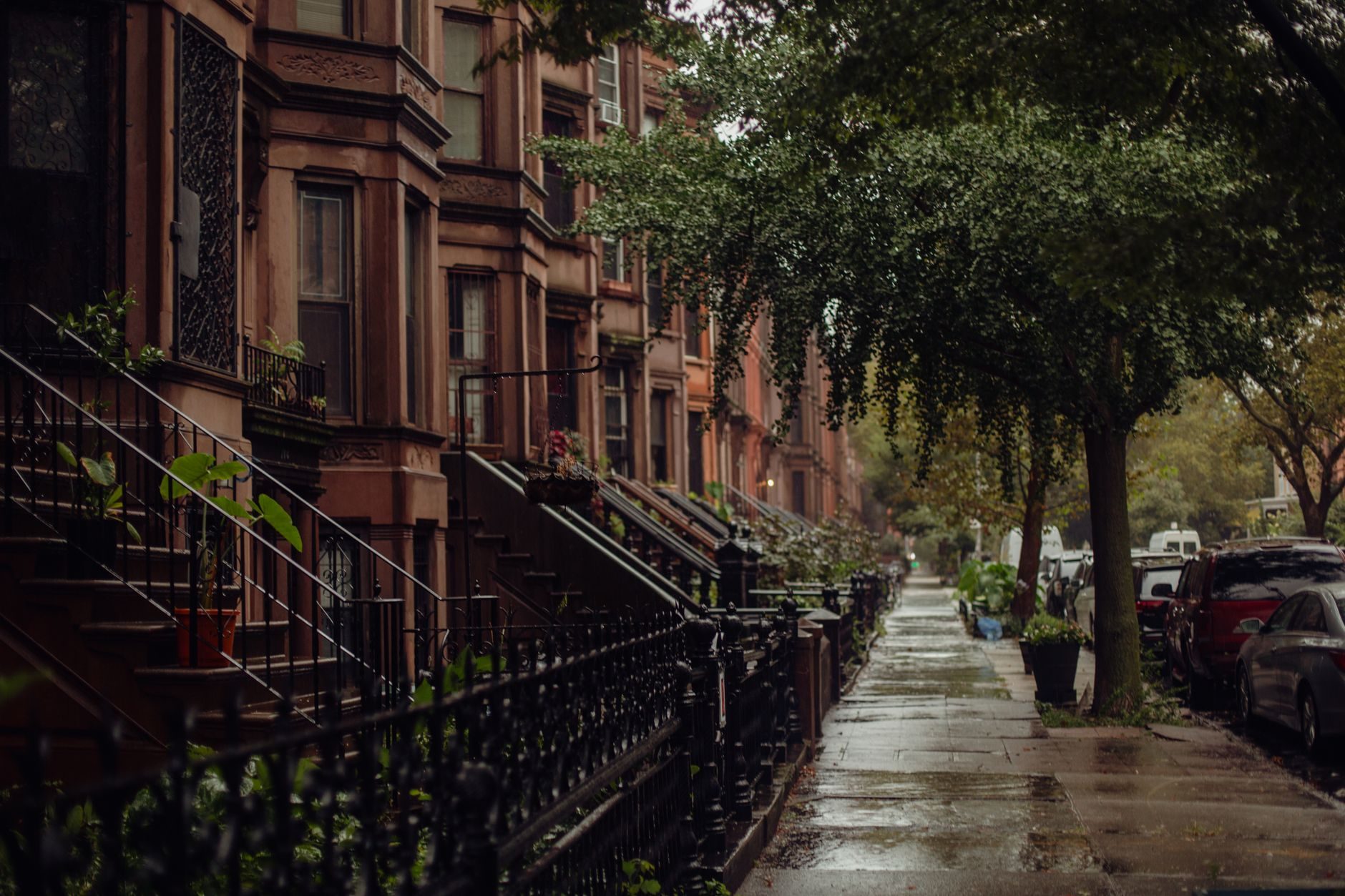
Ashburn is Community Area 70 on Chicago's Southwest Side, sitting about 10 miles southwest of the Loop in Cook County. Its approximate boundaries are 72nd Street on the north, Western Avenue on the east, 87th Street on the south, and Cicero Avenue on the west, covering nearly five square miles. The neighborhood is a quiet, residential patchwork of smaller areas including Scottsdale, Wrightwood, Parkview, and Marycrest, filled with sturdy brick bungalows and ranch homes on tree-lined blocks. It has long drawn city workers such as firefighters, police officers, and teachers, and is notable for an extremely high homeownership rate. With a median household income around $71,951 and home prices well below the Chicago average, Ashburn suits first-time buyers and families who want space and a suburban feel inside the city limits. Two Metra stations and a short hop to Midway Airport make it practical for commuters as well.
At a glance
Southwest Side community
Ashburn is Community Area 70, located about 10 miles southwest of the Loop.
About 42,000 residents
The neighborhood had about 42,079 residents as of 2023, down from a 1970 peak of 47,161.
Median household income
Median household income was about $71,951 as of 2020.
Walk Score of 57
Walk Score rates Ashburn moderately walkable, the 97th most walkable Chicago neighborhood.
Metra commute
The Ashburn SouthWest Service station is 12.2 miles from Chicago Union Station downtown.
Aviation history
Ashburn Flying Field, opened in 1916, was Chicago's first airport.
Nearly five square miles
The community covers a total area of about 4.87 square miles.
Chicago's 18th Ward
As of the 2023 ward remap, Ashburn sits entirely within Chicago's 18th Ward.
What it’s actually like to live here
Daily life in Ashburn is residential and family-centered, defined by rows of brick bungalows, two-flats, and ranch homes on quiet, tree-lined streets that feel more suburban than urban. The community has historically maintained an extremely high homeownership rate, and many households are longtime owners, including city workers who put down roots here. As of 2023 the neighborhood had roughly 42,079 residents at a density of about 8,643 people per square mile, with a population that is roughly 46 percent Hispanic, 43 percent Black, and 8.5 percent White. Buyers drawn to Ashburn typically want a stable, ownership-heavy neighborhood with solid housing stock at an accessible price point.
Getting around favors cars, but transit options exist. Walk Score rates Ashburn 57, calling it moderately walkable and the 97th most walkable neighborhood in Chicago, meaning some errands can be done on foot. Metra's SouthWest Service runs weekday commuter trains from the Ashburn and Wrightwood stations, with the Ashburn station sitting 12.2 miles from downtown Chicago Union Station. For recreation, the Chicago Park District operates green space within the community, including Scottsdale Park at 4637 West 83rd Street, a 2.46-acre park with a gymnasium, fitness center, boxing ring, two baseball diamonds, and a playground that runs year-round youth sports, day camp, and senior programs.
Around town
What there is to do in Ashburn.
A handful of the places people who live here actually use. Not a directory.
- Parks
Scottsdale Park
A 2.46-acre Park District site at 83rd Street with a gymnasium, fitness center, boxing ring, ballfields, and a playground, hosting youth sports and summer day camp.
- Recreation
Hayes (Francis) Park
A park serving the Ashburn and Wrightwood area with a gymnasium, indoor swimming pool, fitness center, and multi-purpose room.
- Culture
Sarah E. Goode STEM Academy
An early-college STEM high school named for the first African American woman to receive a U.S. patent, and the first Illinois high school to earn LEED Platinum certification.
- Family
St. Rita of Cascia High School
A long-established all-boys Catholic high school on Chicago's Southwest Side in the Ashburn neighborhood.
- Family
Charles Gates Dawes Elementary School
A Chicago Public Schools fine and performing arts magnet cluster elementary school at 3810 West 81st Place in Ashburn.
- Family
William J. Bogan High School
A Chicago Public Schools neighborhood high school serving the Ashburn area, named for a former Chicago schools superintendent.
By the numbers
Ashburn taxes + market stats.
Property tax rates vary by exact township and assessor district. Confirm per address before pricing a purchase.
Median sold price
$315,000
MRED · last 12 mo (192 sales)
How Ashburn got here
A bit of history.
Ashburn took its name from its early use as a dumping site for the city's ashes, and it was slow to grow at the start of the 20th century. The original 1893 subdivision, Clarkdale, was platted near 83rd and Central Park along the new Chicago and Grand Trunk Railway, in hopes the area would flourish after the World's Columbian Exposition. Growth lagged badly: by 1894 the early Dutch, Swedish, and Irish settlers had built only 30 homes, and 11 years later just 18 more had been added. In 1916 the area opened Ashburn Flying Field, Chicago's first airport, which became a Signal Corps training camp during World War I before closing in 1939 due to its marshy ground and remoteness. By the eve of World War II the population had shrunk to 731.
The automobile and the post-World War II baby boom transformed Ashburn from prairie into a dense residential community. For over two decades developers replaced open land with new housing, and the population peaked at 47,161 in 1970. In 1952, builder Raymond Lutgert subdivided the old airfield to create Scottsdale, a suburban-style subdivision and shopping center he named for his son, Scott. The neighborhood was a flashpoint for racial strife over school desegregation in the 1960s, and in subsequent decades schools, churches, and blocks integrated, with the Greater Ashburn Planning Association working to minimize conflict. The 2000 census recorded a population of 39,584.
The questions buyers actually ask
Ashburn FAQ
The questions I get most from buyers shopping Ashburn. If yours isn't here, text 224-385-8779, same-day reply.
- What kind of housing dominates Ashburn?
- Ashburn is best known for sturdy brick bungalows, two-flats, and ranch-style homes set on tree-lined residential blocks across nearly five square miles. The neighborhood grew rapidly in the 1950s and 1960s during the postwar building boom, so much of the housing stock dates from that era. The community has historically maintained an extremely high homeownership rate, which gives many blocks a stable, owner-occupied character.
- Which schools serve Ashburn, and how do I confirm attendance boundaries?
- Ashburn is home to many schools, including Ashburn Community Elementary, Dawes Elementary, Sarah E. Goode STEM Academy, and William J. Bogan High School, plus private options like St. Rita of Cascia. CPS assigns neighborhood schools by home address, so attendance boundaries should always be confirmed on a per-address basis. Use the official Chicago Public Schools school locator and school-profile pages to verify the boundary for any specific property before you buy.
- How is the commute downtown?
- Metra's SouthWest Service runs weekday commuter trains from the Ashburn and Wrightwood stations, connecting the neighborhood to downtown Chicago. The Ashburn station sits 12.2 miles from Chicago Union Station and is in Metra's fare zone 2. Service is weekday-focused, so confirm current schedules if you commute on weekends.
- How walkable is the neighborhood?
- Walk Score rates Ashburn a 57, describing it as moderately walkable and the 97th most walkable neighborhood in Chicago. That means some daily errands can be done on foot, but many trips will still rely on a car. The layout is residential and suburban in feel, so plan on driving for larger shopping trips.
- What is the community's character like?
- Ashburn has long been a working homeowner neighborhood, historically home to firefighters, police officers, teachers, and other city workers. As of 2023 it had about 42,079 residents and a population that is roughly 46 percent Hispanic, 43 percent Black, and 8.5 percent White. A local planning association has organized community events and improvement efforts for decades.
- What makes Ashburn distinct from nearby neighborhoods?
- Ashburn is actually a cluster of smaller areas, including Scottsdale, Wrightwood, Parkview, and Marycrest, each with its own history. Its unusual past includes serving as Chicago's first airport site, Ashburn Flying Field in 1916, before becoming the Scottsdale subdivision in the 1950s. That blend of aviation history, postwar bungalow development, and a strong ownership tradition gives Ashburn a more suburban, settled feel than many city neighborhoods.
- How affordable is Ashburn for buyers?
- Ashburn is one of the more affordable parts of Chicago, which historically helped drive its population growth and high homeownership rate. The median household income was about $71,951 as of 2020, and the housing stock is dominated by modest bungalows and ranches rather than high-priced new construction. Always confirm current list prices and recent comparable sales with your agent, since neighborhood market data shifts month to month.
- Who is the real estate agent for Ashburn?
- Joe Keegan is the local licensed Illinois real estate broker who covers Ashburn in Ashburn, IL through Subdiview, a neighborhood-first home search for the Chicago suburbs and collar counties. Joe prices and negotiates from the live MRED sold comps for Ashburn specifically, not national averages, and can help you buy or sell here. Reach Joe at 224-385-8779 or joe@joekeeganhomes.com.
Nearby
Neighborhoods near Ashburn.
If you’re cross-shopping the area, these are the neighborhoods right next to Ashburn.
Your local agent
Joe knows Ashburn
Most agents will list anything. I focus on the places I actually know, and the things that move value here don't show up in the MLS write-up: which streets and buildings hold demand, what the HOA or assessments really cover, how the comps read once you account for condition and location, and where buyers consistently want to be.
When you're ready to tour or list, you want someone who has read the last 50 closed comps in this specific market, not a national average, and can tell you what they actually mean for your price. That's how I work. Text or call any time, and I'll give you a real take, not a brochure.
- Licensed Illinois broker
- Comp-driven pricing
- Ashburn specialist
- Honest local market take
- Brokerocity
Thinking of selling?
What's your home actually worth?
Not a Zestimate. A real CMA from someone who's sold this neighborhood, knows the floor plan premiums, and can tell you which upgrades the buyer pool here actually pays for.
- Pricing range with comp-by-comp logic
- Pre-list improvements that pay back, and the ones that don't
- No obligation, no spam, no auto-dialer