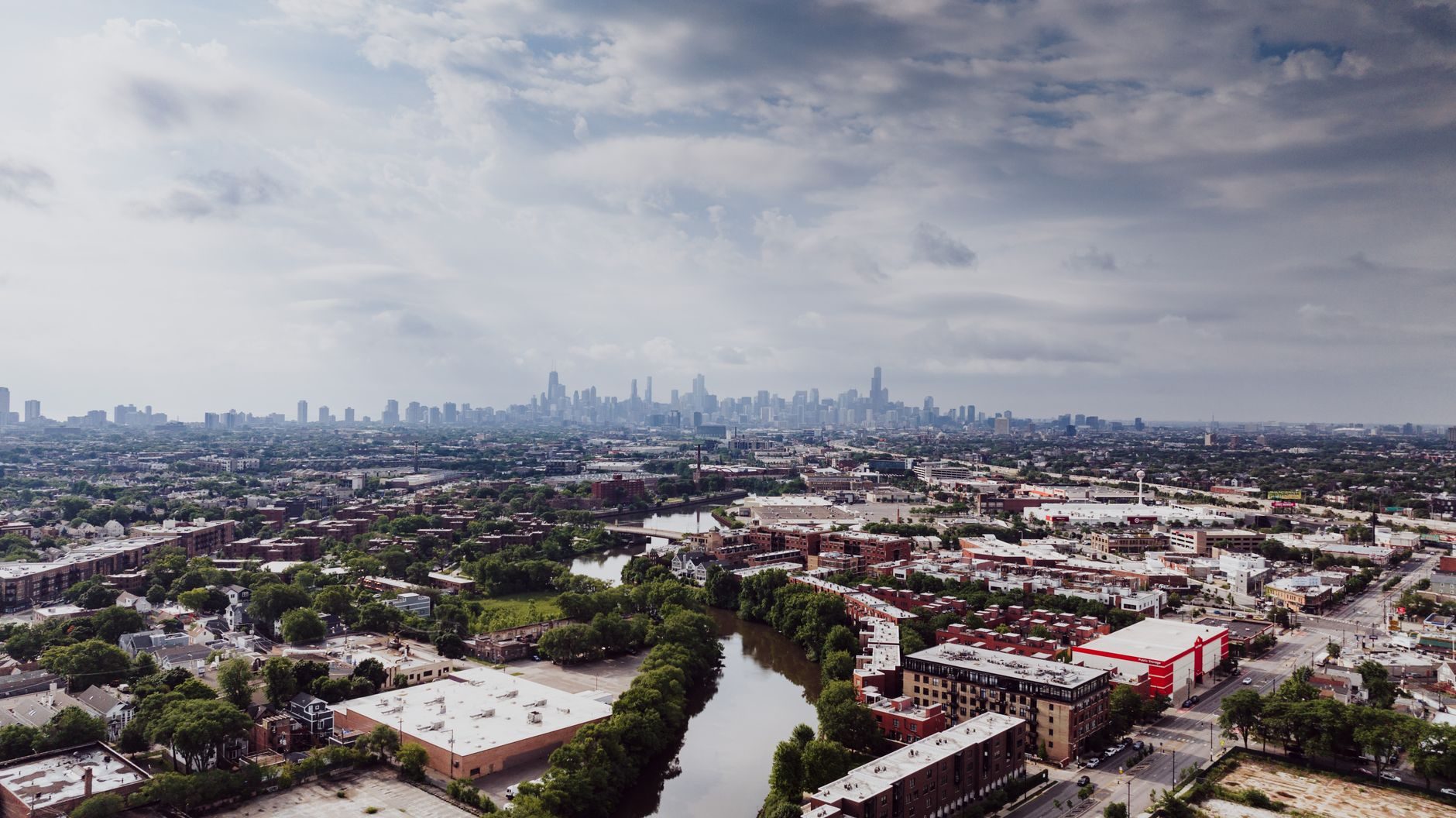
Chicago Lawn · Cook County · IL
Homes for sale in
Chicago Lawn.
- Active listings
- 0
- Median list
- $0
- Avg time on market
- 0 days
- Sold · last year
- 141
Active listings
0 homes on the market
No homes match these filters.
Beat the rest of the buyers
Be the first to know when a new Chicago Lawn home hits the market
Save the search and you will get a text and an email the moment a new listing matches. Most Chicago Lawn homes go under contract in the first week, the buyers who win are the ones who saw it first.
About the community
Living in Chicago Lawn.
Chicago Lawn is one of Chicago's 77 official community areas, sitting on the Southwest Side roughly 8 miles southwest of the Loop, with neighbors including Gage Park, West Englewood, Ashburn, and West Lawn. The community area covers about 3.49 square miles and is bounded by rail lines on the east and south, Central Park Avenue on the west, and 59th Street on the north. Locals often just call the whole area Marquette Park after the park that dominates its southern half, the largest park on the Southwest Side at roughly 300 acres or more. The neighborhood grew up in the 1920s as a bungalow belt community that drew managers and skilled stockyard workers, and those solid brick bungalows still define the housing stock today. It is a working, diverse area, and as of 2023 estimates the population is about 53,460, roughly 61.7 percent Hispanic, 33.4 percent Black, and 2.1 percent White. Pricing is a major draw for buyers, with a recent Redfin median sale price around $270,000, well below the citywide figure. For a first-time buyer who wants a real brick house, a big park at the door, and a straightforward commute, Chicago Lawn delivers space and value that the trendier North Side neighborhoods cannot match. Add deep Lithuanian, Latino, and African American roots plus a landmark civil-rights history, and you get a neighborhood with genuine character.
At a glance
Population
About 53,460 residents (2023 estimate) across the 3.49 square mile community area.
Marquette Park
Marquette Park spans roughly 300 acres or more, the largest park on the Southwest Side, with a lagoon, 9-hole golf course, fieldhouse, and restored prairie.
Bungalow belt
Chicago Lawn developed in the 1920s as a brick-bungalow community for stockyard managers and skilled workers.
Affordability
The median sale price is around $270,000, with homes averaging about 52 days on market.
Walk Score
The Marquette Park area scores 62 on Walk Score, 57 on Transit Score, and 59 on Bike Score.
Diversity
Residents are about 61.7 percent Hispanic, 33.4 percent Black, and 2.1 percent White, with historic Lithuanian and Arab communities.
Civil-rights history
In 1966 Martin Luther King Jr. led an open-housing march into Marquette Park, a step toward the 1968 Fair Housing Act.
Schools
The area is served by Chicago Public Schools, and Tarkington Elementary was the first CPS school to earn LEED certification.
What it’s actually like to live here
Day to day, Chicago Lawn feels like a classic Chicago bungalow neighborhood, with tree-lined residential blocks of sturdy brick homes built for working families. Affordability is the headline for buyers, with a recent Redfin median sale price around $270,000 and homes typically spending about 52 days on the market. That price point puts a real single-family brick house within reach of first-time and move-up buyers who would be priced out closer to the lakefront. The diverse, long-rooted community, with Latino, African American, Lithuanian, and Arab residents, gives the area an authentic, lived-in character.
The neighborhood's signature amenity is Marquette Park, which the Chicago Park District lists at 315.18 acres with a lagoon, a 9-hole golf course, a driving range, a fieldhouse, basketball and tennis courts, baseball fields, a spray pool, two playgrounds, and a restored prairie natural area. The Marquette Park Golf Course is a par-36 nine-hole layout where water comes into play on seven of the nine holes, plus a putting green and practice facilities. The park is open daily from 6:00 am to 11:00 pm, and the Park District points visitors to CTA transit for getting there. On Walk Score, the Marquette Park area rates 62 for walking, 57 for transit, and 59 for biking.
Around town
What there is to do in Chicago Lawn.
A handful of the places people who live here actually use. Not a directory.
- Parks
Marquette Park
The Southwest Side's largest park at 315 acres or more, with a lagoon, fieldhouse, rose garden, prairie, sports fields, and the Dr. Martin Luther King Jr. sculpture, open daily 6am to 11pm.
- Golf
Marquette Park Golf Course (9 hole)
A par-36, nine-hole course inside the park with elevated tees and greens, a driving range, and water in play on seven holes.
- Outdoors
Marquette Park Lagoon and Fishing Area
The naturalistic lagoon and walking paths at the heart of the park, with a designated fishing area and footbridges to the islands.
- Museum
Balzekas Museum of Lithuanian Culture
Nearby at 6500 S. Pulaski Road, the largest U.S. museum devoted to Lithuanian history and culture, a nod to the neighborhood's Lithuanian heritage.
- Shopping and Dining
63rd Street business district
The community's east-west commercial spine, anchoring a diverse strip of shops and restaurants on the Southwest Side.
- Library
Chicago Lawn Branch Library
The neighborhood's branch library at 6120 S. Kedzie Avenue, with collections, computers, and dedicated kids' spaces on the Southwest Side.
By the numbers
Chicago Lawn taxes + market stats.
Property tax rates vary by exact township and assessor district. Confirm per address before pricing a purchase.
Median sold price
$275,000
MRED · last 12 mo (141 sales)
How Chicago Lawn got here
A bit of history.
The community that became Chicago Lawn was founded by John F. Eberhart in 1871 and annexed by Chicago in 1889, but it stayed mostly farmland with scattered settlements until the 1920s. In that decade developers lured managers and skilled stockyard workers into the new bungalow belt, and the population jumped from 14,000 to 47,000 between 1920 and 1930. German and Irish families arrived first from Back of the Yards and Englewood, followed by Poles, Bohemians, and Lithuanians. The Lithuanian community became so established that its network of institutions earned the area the nickname Lithuanian Gold Coast, and the Lithuanian Sisters of St. Casimir founded Holy Cross Hospital in 1928 and Maria High School in 1952. In 1935 the Lithuanian community installed an Art Deco monument in Marquette Park honoring aviators Steponas Darius and Stasys Girenas, who died in the 1933 crash of the Lituanica.
In the mid-1960s Chicago Lawn became a focal point of the open-housing struggle, and in August 1966, as part of the Chicago Freedom Movement, Martin Luther King Jr. led a march into Marquette Park that met a violent reaction, with King himself struck by a rock. King called the Marquette Park march the first step on a 1,000 mile journey, and the campaign helped build national momentum toward the federal Fair Housing Act of 1968. The neighborhood's demographics then changed dramatically, since non-Hispanic whites were still the largest group at 43 percent in 1990, but by the 2000 census African Americans were the largest group at 53 percent, with Hispanic residents at 35 percent. A Martin Luther King Jr. Living Memorial, built from nearly 800 oversized bricks as a nod to Chicago's bungalows, was erected in the park in 2016.
The questions buyers actually ask
Chicago Lawn FAQ
The questions I get most from buyers shopping Chicago Lawn. If yours isn't here, text 224-385-8779, same-day reply.
- What schools serve Chicago Lawn?
- Chicago Lawn is served by Chicago Public Schools. Zoned and area elementary and K-8 schools have included Marquette, Eberhart, Tarkington, Tonti, and Morrill, and much of the community is zoned to Gage Park High School. Tarkington Elementary, on the south side of Marquette Park, was the first CPS school to earn LEED green-building certification. Confirm a specific address on the CPS School Locator.
- How affordable is buying a home here?
- Very affordable by Chicago standards. The recent Redfin median sale price for Chicago Lawn is around $270,000, and homes typically take about 52 days to sell, which makes it a realistic entry point for first-time buyers seeking a brick house.
- What kind of houses will I find?
- Chicago Lawn sits in Chicago's bungalow belt. It was developed in the 1920s with brick bungalows built for stockyard managers and skilled workers, and that durable brick housing stock still defines the streets today.
- How is the commute and transit access?
- The community area sits about 8 miles southwest of the Loop. The Marquette Park area carries a Transit Score of 57, and citywide Chicago has good transit with roughly 145 bus routes plus rail and subway lines. The Park District directs visitors to CTA service for getting around.
- What is there to do at Marquette Park?
- A lot. Marquette Park offers a 9-hole golf course, a lagoon and fishing area, a driving range, a fieldhouse, basketball and tennis courts, baseball fields, a spray pool, two playgrounds, a rose garden, and a restored prairie natural area, open daily from 6am to 11pm.
- Who is the real estate agent for Chicago Lawn?
- Joe Keegan is the local licensed Illinois real estate broker who covers Chicago Lawn in Chicago Lawn, IL through Subdiview, a neighborhood-first home search for the Chicago suburbs and collar counties. Joe prices and negotiates from the live MRED sold comps for Chicago Lawn specifically, not national averages, and can help you buy or sell here. Reach Joe at 224-385-8779 or joe@joekeeganhomes.com.
Nearby
Neighborhoods near Chicago Lawn.
If you’re cross-shopping the area, these are the neighborhoods right next to Chicago Lawn.
Your local agent
Joe knows Chicago Lawn
Most agents will list anything. I focus on the places I actually know, and the things that move value here don't show up in the MLS write-up: which streets and buildings hold demand, what the HOA or assessments really cover, how the comps read once you account for condition and location, and where buyers consistently want to be.
When you're ready to tour or list, you want someone who has read the last 50 closed comps in this specific market, not a national average, and can tell you what they actually mean for your price. That's how I work. Text or call any time, and I'll give you a real take, not a brochure.
- Licensed Illinois broker
- Comp-driven pricing
- Chicago Lawn specialist
- Honest local market take
- Brokerocity
Thinking of selling?
What's your home actually worth?
Not a Zestimate. A real CMA from someone who's sold this neighborhood, knows the floor plan premiums, and can tell you which upgrades the buyer pool here actually pays for.
- Pricing range with comp-by-comp logic
- Pre-list improvements that pay back, and the ones that don't
- No obligation, no spam, no auto-dialer