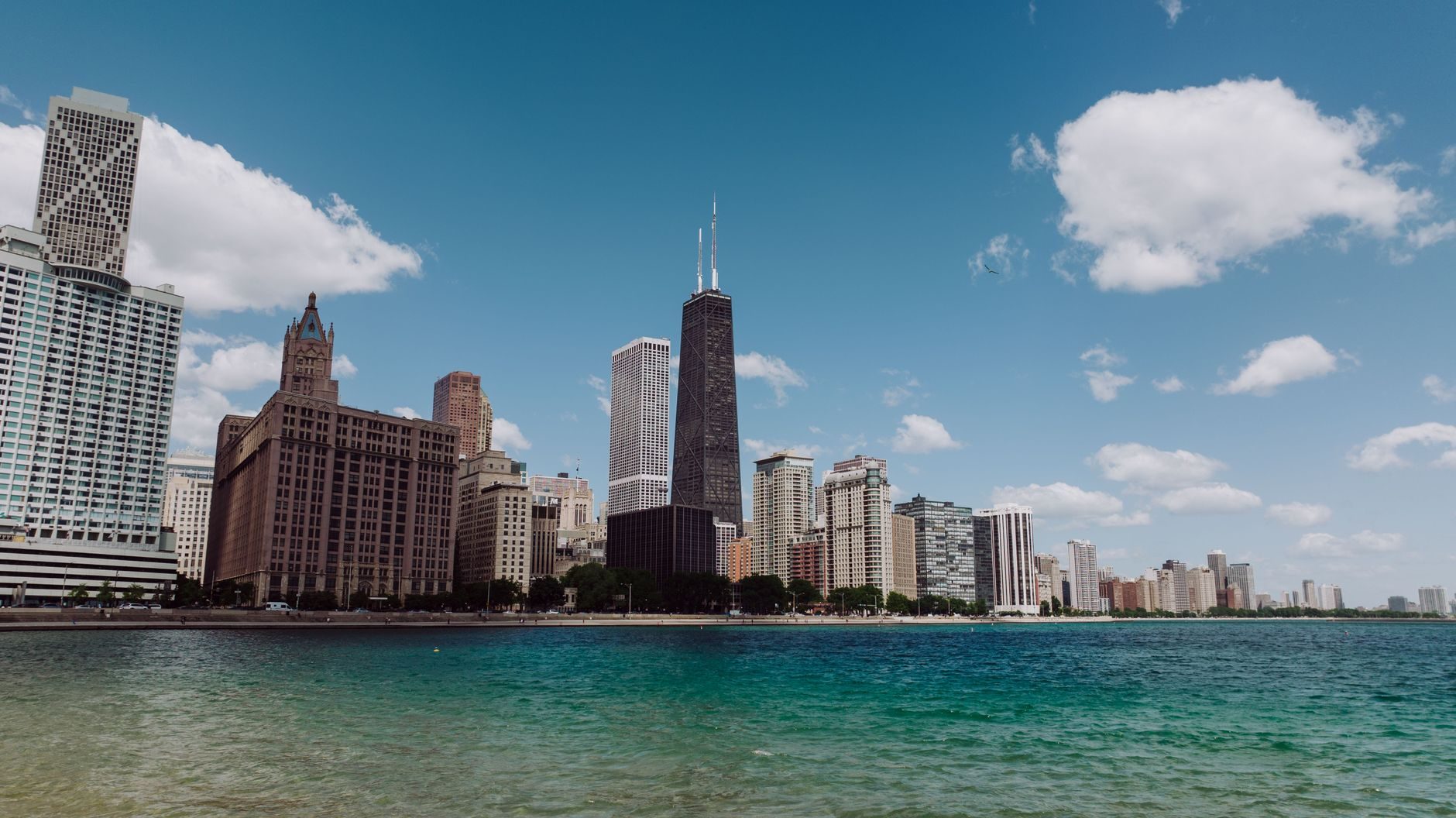
Rogers Park · Cook County · IL
Homes for sale in
Rogers Park.
- Active listings
- 5
- Median list
- $299K
- Avg time on market
- 67 days
- Sold · last year
- 299
Active listings
5 homes on the market


Be the first to know when a new Rogers Park home hits the market
Text + email the moment a new listing matches.
About the community
Living in Rogers Park.
Rogers Park is Community Area number 1, sitting on the far North Side of Chicago about 9 miles north of the Loop along the shore of Lake Michigan. It is bounded by the city of Evanston along Juneway Terrace and Howard Street to the north, Ridge Boulevard to the west, Devon Avenue and the Edgewater neighborhood to the south, and Lake Michigan to the east. The community covers roughly 1.84 square miles and is one of the city's densest, home to about 54,388 residents as of 2023. Its housing stock leans heavily toward apartments and condominiums, including the vintage early-20th-century courtyard buildings and brick three-flats that define many of its blocks, with pockets of single-family homes along the western ridge. The area was first settled at the convergence of two Native American trails that became Rogers Avenue and Ridge Boulevard, named for Irish immigrant Phillip Rogers, who bought 1,600 acres here between the 1830s and 1856. Rogers Park incorporated as a village in 1878 and was annexed to Chicago in 1893, and by 1930 its population had reached 57,094. Loyola University Chicago, established at the lakefront in 1912, anchors the southeastern corner and lends the neighborhood a steady stream of students and academics. Today Rogers Park is celebrated for its racial and cultural diversity, often cited as the Chicago community that most closely mirrors the city's overall ethnic makeup, and for a lakefront lined with public beaches. With excellent CTA and Metra access, a walkable mix of restaurants and theaters, and home prices well below the citywide median, it remains one of the most attainable lakefront neighborhoods for buyers in Chicago.
At a glance
Population
Rogers Park had about 54,388 residents as of 2023 across roughly 1.84 square miles, making it one of Chicago's denser community areas.
Housing character
The neighborhood is dominated by apartments, condominiums, and vintage early-20th-century courtyard buildings, with single-family pockets along the western ridge.
Transit and CTA
Rogers Park is served by CTA rail with four Red Line stops at Howard, Jarvis, Morse, and Loyola, plus Yellow and Purple Line connections at Howard.
Walk Score
Rogers Park earns a Walk Score of 89, a Transit Score of 74, and a Bike Score of 85, ranking among the most walkable neighborhoods in Chicago.
Median home price
As of November 2025, Rogers Park homes sold at a median price of about 280,000 dollars, up roughly 13 percent year over year and well below the citywide median.
Lakefront parks
Loyola Park spans about 40.87 acres along Lake Michigan with a beach and a walking trail, one of several public beaches lining the neighborhood's shore.
Schools
Chicago Public Schools serves the area with zoned K-8 schools and Roger C. Sullivan High School, alongside private options such as Northside Catholic Academy.
Diversity
Rogers Park is one of Chicago's most diverse communities, with about 24.9 percent of residents born outside the United States and a population often called the city's most representative.
What it’s actually like to live here
Daily life in Rogers Park revolves around its lakefront and its walkability, with a Walk Score of 89 meaning most errands can be done on foot and a Transit Score of 74 reflecting excellent public transit. Commuters reach downtown via CTA rail, including four Red Line stations and Yellow and Purple Line connections at Howard, while the centrally located Rogers Park Metra station on the Union Pacific North line is one of the system's most heavily used stops. The housing market remains comparatively affordable, with a median sale price around 280,000 dollars as of November 2025, far below the broader Chicago median, and the neighborhood is rich in vintage condos, courtyard apartment buildings, and three-flats. Loyola University Chicago's Lake Shore Campus anchors the southeast corner, serving thousands of students and lending the area a youthful, academic energy.
The neighborhood's lakefront is one of its biggest draws, with Loyola Park stretching about 40.87 acres along Lake Michigan and offering a beach, ballfields, tennis and volleyball courts, and a walking trail, while Pottawattomie Park adds ballfields, a dog park, and a spray pool on about 9.40 acres. Culturally, Rogers Park supports a lively dining and arts scene with the Glenwood Avenue Arts District around Morse Avenue, home to live theaters, galleries, and the Mile of Murals along the elevated tracks. The Glenwood Sunday Market, an award-winning farmers market run by the Rogers Park Business Alliance, operates on Glenwood Avenue from June through September. Families have access to Chicago Public Schools options including zoned K-8 schools and Roger C. Sullivan High School, and the community is consistently recognized as one of the most diverse in the entire city.
Around town
What there is to do in Rogers Park.
A handful of the places people who live here actually use. Not a directory.
- Parks
Loyola Park and Beach
A roughly 40-acre lakefront park with a sandy beach, walking trail, ballfields, and tennis and volleyball courts along Lake Michigan.
- Recreation
Pottawattomie Park
A neighborhood park near Clark Street and Rogers Avenue with ballfields, a turf soccer field, two playgrounds, a spray pool, and a dog park.
- Culture
Glenwood Avenue Arts District
A walkable arts corridor near Morse Avenue with theaters, galleries, live music, and murals on the elevated train embankments.
- Food & Drink
Glenwood Sunday Market
An award-winning Sunday farmers market on Glenwood Avenue running June through September with local, sustainable foods.
- Culture
Lifeline Theatre
A long-running storefront theater in the Glenwood Avenue Arts District known for literary adaptations and family programming.
- Recreation
Loyola Beach
A popular Lake Michigan beach along the Rogers Park shoreline, a summer gathering spot for swimming, sunbathing, and lakefront strolls.
By the numbers
Rogers Park taxes + market stats.
Property tax rates vary by exact township and assessor district. Confirm per address before pricing a purchase.
Median sold price
$264,900
MRED · last 12 mo (299 sales)
How Rogers Park got here
A bit of history.
The Rogers Park area was first settled at the convergence of two Native American trails that predate modern Chicago and later became Rogers Avenue and Ridge Boulevard, with regional tribes using the land seasonally. Phillip Rogers, an immigrant from Ireland, purchased 1,600 acres in the area between the 1830s and 1856, operating a toll gate beside his home near what became Ridge and Lunt Avenues. In 1870 his son-in-law Patrick Touhy sold land to speculators including John Farwell, Luther Greenleaf, Stephen Lunt, Charles Morse, and George Estes, all of whom lent their names to local streets, and together they formed the Rogers Park Building and Land Company. The Chicago and Northwestern Railway completed a line through the area in 1873 with a station at Greenleaf Avenue, and a post office opened that July. Voters incorporated Rogers Park as an Illinois village on April 29, 1878, governed by six trustees.
By 1893 the population had grown to about 3,500, rail service had expanded, and the village of Rogers Park was annexed to Chicago. The Rogers Park Women's Club opened the first library in 1894, the same year a fire destroyed much of the business district. The population reached 7,500 by 1904 as the Northwestern elevated line was extended north to Howard Street, and in 1912 St. Ignatius College moved to the lakefront, changing its name to Loyola University in 1915. By 1930 the population had climbed to 57,094, making Rogers Park one of Chicago's most densely populated areas, and successive waves of German, English, Irish, and Jewish families settled there, followed by additional immigrants after World War II and a growing Hispanic community along Clark Street since 2000.
The questions buyers actually ask
Rogers Park FAQ
The questions I get most from buyers shopping Rogers Park. If yours isn't here, text 224-385-8779, same-day reply.
- What kinds of homes can I buy in Rogers Park?
- The neighborhood is dominated by apartments and condominiums, including vintage early-20th-century courtyard buildings and brick three-flats, with pockets of single-family homes toward the western ridge. As of November 2025, homes in Rogers Park sold at a median price of about 280,000 dollars, up roughly 13 percent year over year. That median sits well below the broader Chicago figure, making Rogers Park one of the more attainable lakefront neighborhoods in the city. The market is somewhat competitive, with homes typically selling after about 50 days.
- How is the commute to downtown Chicago?
- Rogers Park sits about 9 miles north of the Loop and has excellent transit, earning a Transit Score of 74. It is served by CTA rail, including four Red Line stations at Howard, Jarvis, Morse, and Loyola, plus Yellow and Purple Line service connecting at Howard. The Rogers Park Metra station on the Union Pacific North line is centrally located and is one of the system's most heavily used stops. Several CTA bus routes also connect the neighborhood to downtown and the suburbs.
- What are the schools like for families?
- Chicago Public Schools operates the zoned public schools serving Rogers Park, including K-8 schools such as Gale, Field, Kilmer, and Jordan, with much of the area zoned to Roger C. Sullivan High School. Private options include Northside Catholic Academy. The neighborhood is also home to Loyola University Chicago's Lake Shore Campus. Families have access to a mix of public, charter, and private choices within the community, so confirm current attendance boundaries with CPS by address.
- Is Rogers Park good for outdoor recreation?
- Yes, the neighborhood is defined by its Lake Michigan lakefront and a string of public beaches and parks. Loyola Park spans about 40.87 acres with a beach, a walking trail, ballfields, and tennis and volleyball courts, while Pottawattomie Park offers ballfields, a turf soccer field, playgrounds, a spray pool, and a dog park on about 9.40 acres. Rogers Park also earns a Bike Score of 85 and has invested in buffered bike lanes and a neighborhood greenway. The lakefront beaches are a major draw in summer.
- What is the dining and culture scene like?
- The Glenwood Avenue Arts District near Morse Avenue anchors the cultural scene with theaters, galleries, live music venues, and murals along the elevated tracks. The neighborhood also hosts the Glenwood Sunday Market farmers market from June through September and the Mile of Murals public art project. Live theater options include Lifeline Theatre, a storefront company known for literary adaptations. The area's walkable commercial strips along Morse, Clark, and Devon offer a wide range of restaurants and cafes.
- How diverse is Rogers Park?
- Rogers Park is one of Chicago's most diverse communities and is frequently described as the neighborhood that most closely matches the city's overall ethnic makeup. As of recent data, residents are roughly 45 percent White, 23 percent Black, 21 percent Hispanic, and 6 percent Asian, with about 24.9 percent of residents born outside the United States compared to roughly 20 percent citywide. The presence of Loyola University students and academics has historically given the area a reputation for openness. This blend is a defining feature of daily life in the neighborhood.
- Who is the real estate agent for Rogers Park?
- Joe Keegan is the local licensed Illinois real estate broker who covers Rogers Park in Rogers Park, IL through Subdiview, a neighborhood-first home search for the Chicago suburbs and collar counties. Joe prices and negotiates from the live MRED sold comps for Rogers Park specifically, not national averages, and can help you buy or sell here. Reach Joe at 224-385-8779 or joe@joekeeganhomes.com.
Nearby
Neighborhoods near Rogers Park.
If you’re cross-shopping the area, these are the neighborhoods right next to Rogers Park.
Your local agent
Joe knows Rogers Park
Most agents will list anything. I focus on the places I actually know, and the things that move value here don't show up in the MLS write-up: which streets and buildings hold demand, what the HOA or assessments really cover, how the comps read once you account for condition and location, and where buyers consistently want to be.
When you're ready to tour or list, you want someone who has read the last 50 closed comps in this specific market, not a national average, and can tell you what they actually mean for your price. That's how I work. Text or call any time, and I'll give you a real take, not a brochure.
- Licensed Illinois broker
- Comp-driven pricing
- Rogers Park specialist
- Honest local market take
- Brokerocity
Thinking of selling?
What's your home actually worth?
Not a Zestimate. A real CMA from someone who's sold this neighborhood, knows the floor plan premiums, and can tell you which upgrades the buyer pool here actually pays for.
- Pricing range with comp-by-comp logic
- Pre-list improvements that pay back, and the ones that don't
- No obligation, no spam, no auto-dialer