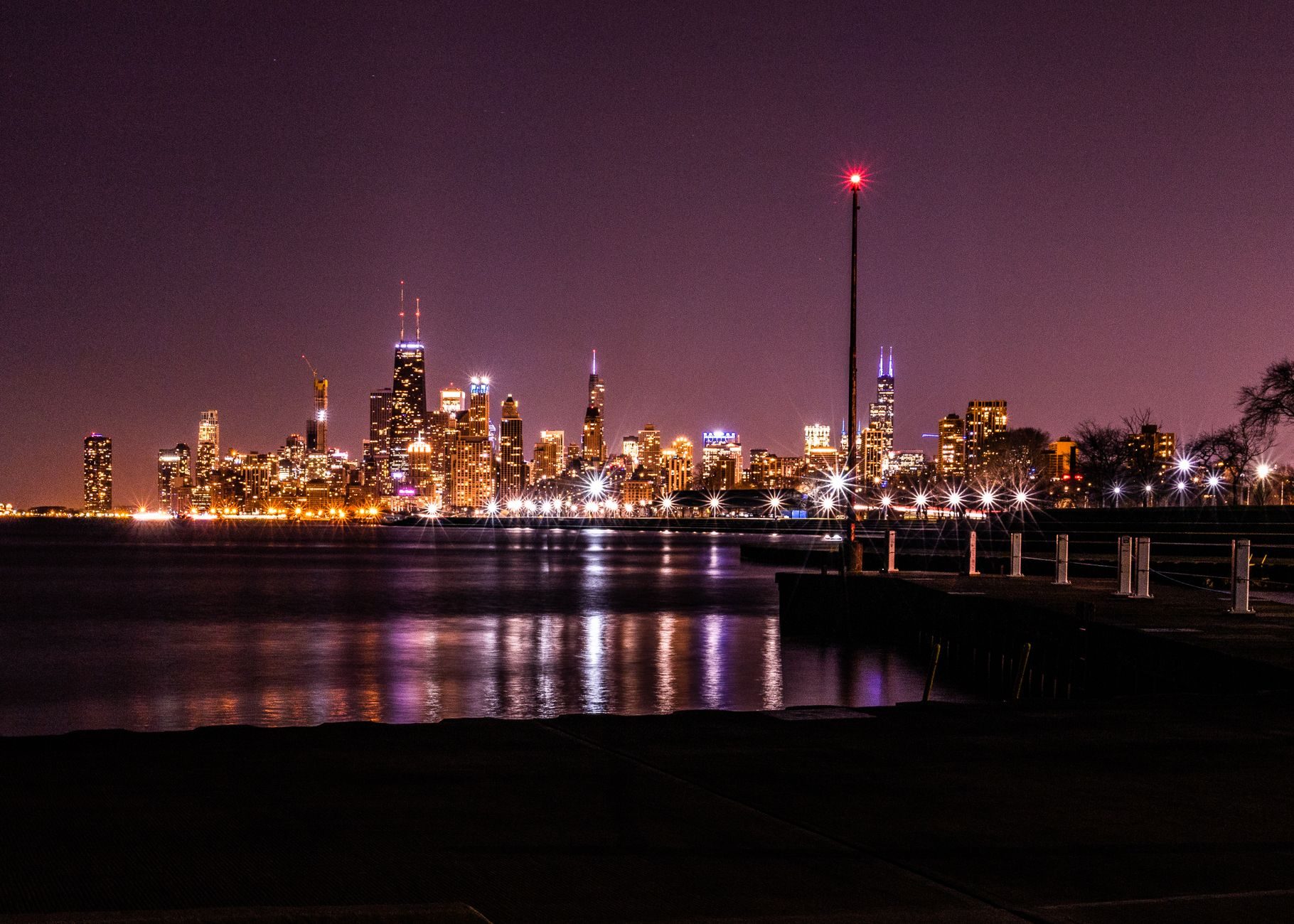
Bucktown · Cook County · IL
Homes for sale in
Bucktown.
- Active listings
- 1
- Median list
- $575K
- Avg time on market
- 31 days
- Sold · last year
- 181
Active listings
1 home on the market

Beat the rest of the buyers
Be the first to know when a new Bucktown home hits the market
Save the search and you will get a text and an email the moment a new listing matches. Most Bucktown homes go under contract in the first week, the buyers who win are the ones who saw it first.
About the community
Living in Bucktown.
Bucktown sits on Chicago's northwest side, directly north of Wicker Park and a few miles northwest of the Loop, in the eastern portion of the Logan Square community area. The Bucktown Community Organization describes its rough boundaries as Fullerton Avenue on the north, the Chicago River on the east, North Avenue on the south, and Western Avenue on the west. The name traces to the 1830s, when many of the area's Polish settlers raised goats, and because a male goat is a buck the area earned the nickname Bucktown, a translation of the Polish phrase for goat prairie. German tradesmen from Schleswig-Holstein arrived from 1848 and established the town of Holstein in 1854, which was annexed to Chicago in 1863. Today the neighborhood counts about 17,318 residents, and its housing stock blends sturdy century-old brick and frame workers cottages and greystones with newer construction and loft conversions. The 606, an elevated 2.7-mile rail trail centered on the Bloomingdale Trail, opened June 6, 2015 and runs through the neighborhood, knitting it together with Wicker Park, Humboldt Park, and Logan Square. Bucktown has a dense dining and nightlife scene with roughly 246 restaurants, bars, and coffee shops, and the CTA Blue Line serves the area at the Western and Damen stations with direct service to downtown and O'Hare. In March 2026, Bucktown homes sold for a median of about 698,000 dollars.
At a glance
Community area and location
Bucktown is on Chicago's northwest side in the eastern part of the Logan Square community area, just north of Wicker Park.
Population
The neighborhood has about 17,318 residents within its rough boundaries.
Walk Score
Bucktown scores 93 for walkability, with a Transit Score of 73 and a Bike Score of 94, ranking among the most walkable neighborhoods in Chicago.
Median home price
Homes sold for a median of roughly 698,000 dollars in March 2026, after a median of about 34 days on market.
The 606 and Bloomingdale Trail
The elevated 2.7-mile rail trail opened June 6, 2015 and runs through Bucktown, connecting four neighborhoods and four ground-level parks.
Dining and nightlife
The neighborhood has about 246 restaurants, bars, and coffee shops, with residents able to walk to roughly ten within five minutes.
Transit
The CTA Blue Line serves Bucktown at the Western and Damen stations, running around the clock with direct service to downtown and O'Hare.
Shopping
Damen Avenue is the area's upscale retail corridor, lined with boutiques, eateries, and wellness businesses.
What it’s actually like to live here
Daily life in Bucktown is highly walkable, with a Walk Score of 93 and roughly 246 restaurants, bars, and coffee shops, and residents can walk to about ten dining or coffee spots within five minutes. Damen Avenue serves as the upscale retail corridor, lined with boutiques, eateries, and wellness businesses, while longtime restaurants such as the French bistro Le Bouchon, open since 1993, anchor the dining reputation. Neighborhood bars like the Map Room at Hoyne and Armitage round out the nightlife. The 606 trail offers a car-free path for running, biking, and strolling, connecting to ground-level parks along its route.
Green space includes Holstein Park, a 3.25-acre park at 2200 North Oakley Avenue with a historic fieldhouse, pools, and ballfields, and Walsh Park at 1722 North Ashland Avenue, which marks the eastern end of the Bloomingdale Trail and was rebuilt with a new playground in 2019. The housing market reflects strong demand, with a median sale price of about 698,000 dollars in March 2026 and homes selling in a median of 34 days. The neighborhood draws a mix of professionals and families, with excellent Blue Line transit access via the Western and Damen stations supporting car-free commutes.
Around town
What there is to do in Bucktown.
A handful of the places people who live here actually use. Not a directory.
- Recreation
The 606 and Bloomingdale Trail
A 2.7-mile elevated greenway running through Bucktown for biking, running, and walking above the city streets.
- Parks
Holstein Park
A 3.25-acre neighborhood park at 2200 North Oakley Avenue with a historic 1912 fieldhouse, pools, ballfields, and a playground.
- Parks
Walsh Park
A park at 1722 North Ashland Avenue that anchors the eastern end of the Bloomingdale Trail, with a playground, athletic field, and dog-friendly area.
- Food & Drink
Le Bouchon
A cozy, Parisian-style French bistro on Damen Avenue serving classics like steak frites and escargot since 1993.
- Food & Drink
The Map Room
A travel-themed Bucktown beer bar at Hoyne and Armitage with a deep rotating tap and bottle list.
- Shopping
Damen Avenue Shopping District
Bucktown's upscale retail corridor, lined with boutiques, restaurants, and wellness businesses.
By the numbers
Bucktown taxes + market stats.
Property tax rates vary by exact township and assessor district. Confirm per address before pricing a purchase.
Median sold price
$765,000
MRED · last 12 mo (181 sales)
How Bucktown got here
A bit of history.
Bucktown's settlement predates Chicago's 1833 incorporation as a town. Polish immigrants began arriving around 1831, and some settled in an area near the north branch of the Chicago River that later became known as Holstein. The neighborhood's name is generally believed to date to the 1830s, when many of the Polish settlers raised goats, and because a male goat is called a buck, the area earned the nickname Bucktown, a translation of the Polish phrase for goat prairie. Several hundred German immigrants, including tradesmen from Schleswig-Holstein, arrived in the winter of 1848, and in 1854 the town of Holstein was established, then annexed to the City of Chicago on February 13, 1863. From the 1870s to World War I, the area saw a major influx of largely Polish immigrants, and the stretch between the river and Milwaukee Avenue became known as part of Chicago's Polish Downtown.
Industry shaped the neighborhood as it grew. Clay was dredged near Webster Avenue for brickmaking, which intensified after the Great Chicago Fire, and the intersection of Armitage and Elston became an industrial hub. Beginning in the mid-1970s, a new wave of mostly middle-class, native-born residents was drawn by affordable housing, good transportation, and proximity to the Loop and lakefront, a trend that accelerated into gentrification through the 1990s and 2000s. A defining recent change came on June 6, 2015, when the first phase of The 606 opened, converting the disused, elevated Bloomingdale rail line into a 2.7-mile greenway and trail that runs through Bucktown and links it to neighboring communities.
The questions buyers actually ask
Bucktown FAQ
The questions I get most from buyers shopping Bucktown. If yours isn't here, text 224-385-8779, same-day reply.
- What kinds of homes are in Bucktown?
- Bucktown's housing stock mixes sturdy century-old brick and frame workers cottages and greystones with newer construction and loft conversions. Many of the older homes date to the late 1800s, when brick cottages were being built across the neighborhood. The result is a varied streetscape of single-family homes, two-flats, condos, and converted lofts. Buyers can find everything from preserved historic cottages to modern new builds.
- How is the commute downtown?
- Bucktown is served by the CTA Blue Line at the Western and Damen stations, which run 24 hours a day, seven days a week. The Blue Line provides direct service to downtown and to O'Hare with no transfer needed. The Damen station is consistently among the busier rail stations and offers frequent service during rush hours. The neighborhood's Transit Score is 73, rated as excellent transit.
- Is Bucktown walkable, and what is the dining and nightlife like?
- Yes. Bucktown has a Walk Score of 93, ranking among the most walkable neighborhoods in Chicago, where daily errands do not require a car. There are about 246 restaurants, bars, and coffee shops, and residents can walk to roughly ten of them within five minutes. Dining anchors include the French bistro Le Bouchon, open since 1993. Bars like the Map Room add to the nightlife scene.
- What is The 606 and how does it affect the neighborhood?
- The 606 is an elevated 2.7-mile rail trail centered on the Bloomingdale Trail that opened June 6, 2015. It runs through Bucktown and connects it with Wicker Park, Humboldt Park, and Logan Square, plus four ground-level parks. It serves tens of thousands of neighbors within a ten-minute walk and offers a car-free path for biking, running, and strolling. Walsh Park anchors its eastern end inside Bucktown.
- Are there parks and green space?
- Yes. Holstein Park, at 2200 North Oakley Avenue, is a 3.25-acre park with a 1912 fieldhouse, two gymnasiums, a swimming pool, ballfields, and a playground. Walsh Park, at 1722 North Ashland Avenue, is a park at the eastern end of the Bloomingdale Trail with a playground, athletic field, and dog-friendly area that was rebuilt with a new playground in 2019. The 606 trail itself provides additional linear green space.
- How much do homes cost in Bucktown?
- In March 2026, the median home sale price in Bucktown was about 698,000 dollars. Homes sold after a median of 34 days on the market. Prices run well above the broader Chicago market, reflecting strong demand. The figure spans the full range of housing types, from condos and lofts to single-family homes.
- What is the population and feel of the neighborhood?
- Bucktown has about 17,318 residents. It is a dense, highly walkable neighborhood that draws a mix of professionals and families attracted by its historic housing, transit access, and proximity to the Loop and lakefront. The 606 trail and active retail corridors give it a lively, amenity-rich character.
- Who is the real estate agent for Bucktown?
- Joe Keegan is the local licensed Illinois real estate broker who covers Bucktown in Bucktown, IL through Subdiview, a neighborhood-first home search for the Chicago suburbs and collar counties. Joe prices and negotiates from the live MRED sold comps for Bucktown specifically, not national averages, and can help you buy or sell here. Reach Joe at 224-385-8779 or joe@joekeeganhomes.com.
Nearby
Neighborhoods near Bucktown.
If you’re cross-shopping the area, these are the neighborhoods right next to Bucktown.
Your local agent
Joe knows Bucktown
Most agents will list anything. I focus on the places I actually know, and the things that move value here don't show up in the MLS write-up: which streets and buildings hold demand, what the HOA or assessments really cover, how the comps read once you account for condition and location, and where buyers consistently want to be.
When you're ready to tour or list, you want someone who has read the last 50 closed comps in this specific market, not a national average, and can tell you what they actually mean for your price. That's how I work. Text or call any time, and I'll give you a real take, not a brochure.
- Licensed Illinois broker
- Comp-driven pricing
- Bucktown specialist
- Honest local market take
- Brokerocity
Thinking of selling?
What's your home actually worth?
Not a Zestimate. A real CMA from someone who's sold this neighborhood, knows the floor plan premiums, and can tell you which upgrades the buyer pool here actually pays for.
- Pricing range with comp-by-comp logic
- Pre-list improvements that pay back, and the ones that don't
- No obligation, no spam, no auto-dialer