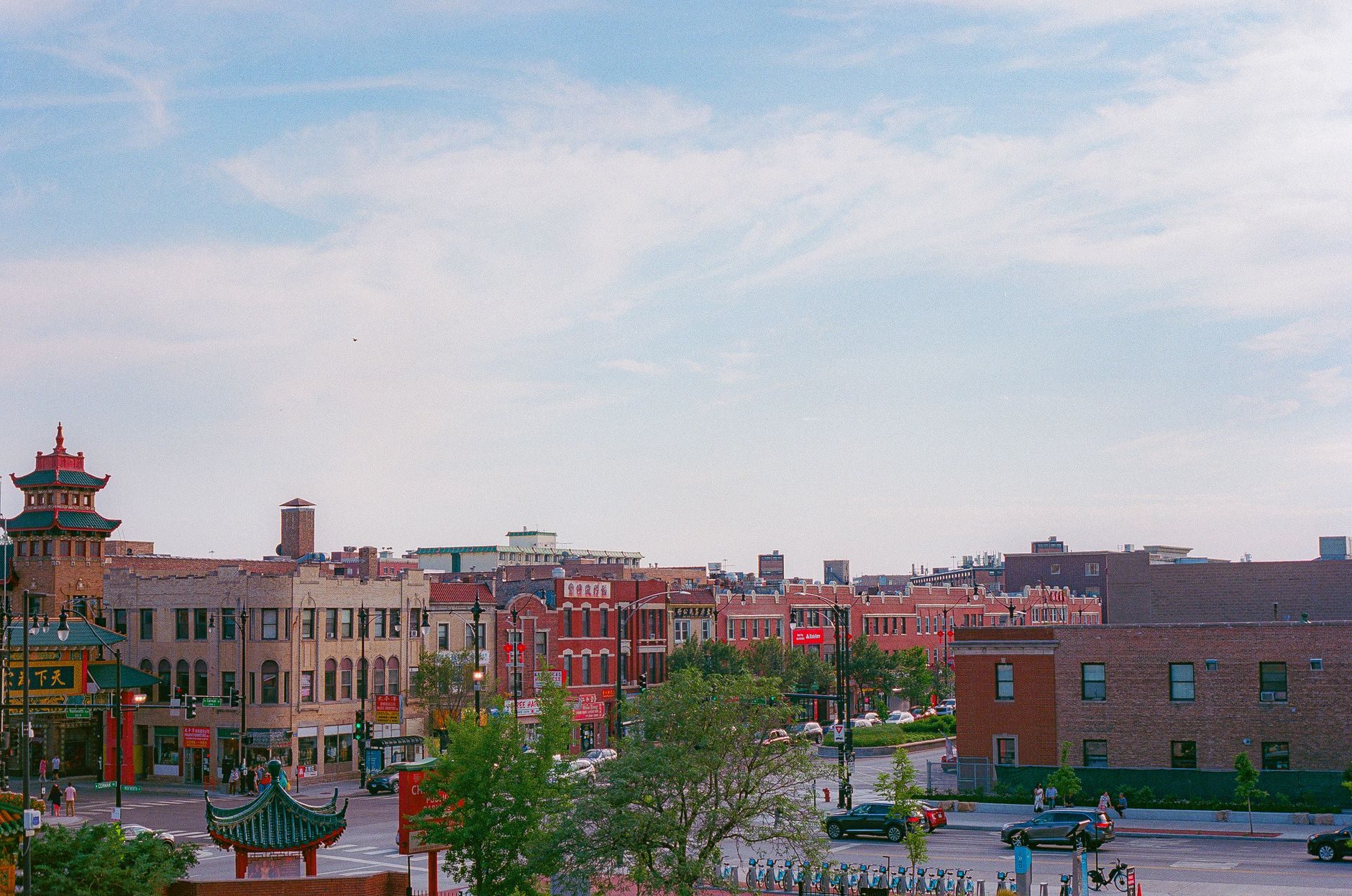
Englewood · Cook County · IL
Homes for sale in
Englewood.
- Active listings
- 15
- Median list
- $230K
- Avg time on market
- 125 days
- Sold · last year
- 230
Active listings
15 homes on the market


Be the first to know when a new Englewood home hits the market
Text + email the moment a new listing matches.
About the community
Living in Englewood.
Englewood is a community area on Chicago's South Side, about seven miles south of the Loop and centered on the intersection of 63rd and Halsted streets. It is bordered roughly by Garfield Boulevard to the north, 75th Street to the south, and Racine Avenue to the west, covering about three square miles. The neighborhood traces its origins to the 1850s, when several railroad lines crossed at a point known as Junction Grove, and it was renamed Englewood in 1868. For much of the early and mid twentieth century, the 63rd and Halsted shopping district was one of the busiest retail centers in Chicago outside the Loop, anchored by major department stores. The housing stock reflects that era of growth, with single-family homes, two-flats, bungalows, and older apartment buildings at some of the most affordable price points in the city. Kennedy-King College, part of the City Colleges of Chicago, anchors the community at 63rd and Halsted and houses the Washburne Culinary and Hospitality Institute. Transit access is a defining feature, with the CTA Green Line stopping at Halsted/63rd, the Red Line serving the area via the Dan Ryan branch, and Metra lines running along the eastern edge. Major green space includes the historic Ogden Park and Hamilton Park, and the neighborhood is a center of Chicago urban agriculture. Ongoing public reinvestment, including a planned replacement of the Ogden Park fieldhouse, continues to shape the area for buyers and investors seeking lower entry prices and strong transit connectivity downtown.
At a glance
Community area population
The 2020 census recorded 24,369 residents in the Englewood community area, down from a 1960 peak of over 97,000.
Affordable housing stock
Englewood is among Chicago's most affordable neighborhoods, with recent Redfin median sale prices in the low six figures.
CTA Green Line
The Halsted station on the Green Line Ashland branch sits at 63rd and Halsted and first opened in 1906.
Red Line and Metra
The CTA Red Line serves the area via the Dan Ryan branch, and Metra rail lines run along the community's eastern border.
Kennedy-King College
Kennedy-King College opened its 40-acre Englewood campus in 2007 and houses the Washburne Culinary and Hospitality Institute.
Ogden Park
Ogden Park, at 6500 South Racine Avenue, totals about 60 acres with a fieldhouse, pool, walking track, and athletic fields, and opened in 1905.
Historic shopping district
By 1920 the shopping district at 63rd and Halsted was the second busiest in Chicago, anchored by a major Sears store built in 1929.
Urban agriculture
Growing Home operates the Wood Street Urban Farm, the city's first USDA-certified organic farm, paired with a workforce-training program.
What it’s actually like to live here
Englewood is served by a network of community institutions and public facilities. Kennedy-King College anchors the neighborhood with degree programs, the Washburne Culinary and Hospitality Institute, and a public teaching restaurant. Two large parks, Ogden Park and Hamilton Park, provide fieldhouses, pools, athletic fields, and year-round programming, and Hamilton Park's cultural center hosts events including the annual Englewood Jazz Festival. The Englewood Back to School Parade, founded in 1961, is a long-running annual community event held each August.
Urban agriculture is a notable part of community life. Growing Home operates the Wood Street Urban Farm, the city's first USDA-certified organic farm, which combines food production with a paid workforce-development program. Transit-oriented access is a practical draw for residents commuting downtown, with the CTA Green Line at Halsted/63rd and the Red Line both providing direct service to the Loop. Ongoing public investment includes a planned replacement of the Ogden Park fieldhouse and continued development around the Kennedy-King campus.
Around town
What there is to do in Englewood.
A handful of the places people who live here actually use. Not a directory.
- Parks
Ogden Park
A 60-acre park at 6500 South Racine Avenue with a fieldhouse, swimming pool, walking track, and baseball, basketball, and tennis facilities.
- Culture
Hamilton Park Cultural Center
A historic park at 513 West 72nd Street with gymnasiums, an auditorium, a pool, and a cultural center that hosts the Englewood Jazz Festival.
- Culture
Kennedy-King College
A City Colleges of Chicago campus at 63rd and Halsted with a theater, dining facilities, and the Washburne Culinary and Hospitality Institute.
- Family
Growing Home Wood Street Urban Farm
A USDA-certified organic urban farm at 5814 South Wood Street that grows over 200 vegetable varieties and runs a workforce-training program.
- Food & Drink
Sikia Restaurant
A teaching restaurant on the Kennedy-King campus, operated through the Washburne Institute and open to the public for lunch by reservation.
- Shopping
Englewood Square
A retail development at 63rd and Halsted, opened in 2016 as part of neighborhood reinvestment near the Halsted Green Line station.
By the numbers
Englewood taxes + market stats.
Property tax rates vary by exact township and assessor district. Confirm per address before pricing a purchase.
Median sold price
$203,250
MRED · last 12 mo (230 sales)
How Englewood got here
A bit of history.
Before 1850, the area that became Englewood was an oak forest interspersed with swampland. In 1852, several railroad lines crossed at a location known as Junction Grove, which spurred the area's earliest settlement by German and Irish workers employed on truck farms, the railroads, and the nearby Union Stock Yard. In 1868 the community was renamed Englewood after Englewood, New Jersey, and it was annexed to Chicago in 1889. The 1893 World's Columbian Exposition at nearby Jackson Park fueled real estate speculation and rapid growth.
By 1920 the community's population had soared to more than 86,000, and the shopping district at 63rd and Halsted had become the second busiest in Chicago, with Sears developing a major store at the intersection in 1929. Beginning in the postwar era, the rise of the automobile and competition from suburban shopping centers drew traffic away from the district. The community's population peaked at over 97,000 in 1960 and then declined substantially over the following decades, falling to 24,369 by the 2020 census. The railroad junction at Englewood, long a source of regional rail delays, was rebuilt with a flyover project completed in 2014.
The questions buyers actually ask
Englewood FAQ
The questions I get most from buyers shopping Englewood. If yours isn't here, text 224-385-8779, same-day reply.
- What types of homes are available in Englewood, and what do they cost?
- Englewood's housing stock includes single-family homes, two-flats, bungalows, and older apartment buildings dating largely from the early twentieth century. It is among the most affordable neighborhoods in Chicago, with recent Redfin median sale prices in the low six figures and a median price per square foot well below the citywide figure. Prices can vary significantly month to month given the relatively low transaction volume, so buyers should confirm current figures directly. The affordability has made the area of interest to investors and first-time buyers.
- Which schools serve Englewood?
- Englewood is served by Chicago Public Schools for primary and secondary education. Englewood STEM High School, a neighborhood early-college STEM campus, opened in 2019 and serves students in the Englewood and West Englewood community areas. The high school is paired with Kennedy-King College, which provides dual-enrollment and college-pathway opportunities. Families should verify current attendance boundaries through CPS, since they can change.
- How is the commute to downtown Chicago?
- Englewood has strong rail transit access. The CTA Green Line stops at Halsted/63rd, an accessible station providing service toward downtown. The CTA Red Line also serves the area via the Dan Ryan branch, and Metra commuter lines run along the eastern edge of the community. The Dan Ryan Expressway runs nearby as well, giving drivers a direct route toward the Loop.
- What parks and recreation are available?
- Englewood is home to two large historic parks. Ogden Park, at 6500 South Racine Avenue, totals about 60 acres and offers a fieldhouse, swimming pool, walking track, and multiple athletic fields and courts. Hamilton Park, at 513 West 72nd Street, offers two gymnasiums, an auditorium, a pool, and a cultural center. Both date to the early 1900s and host year-round Park District programming.
- Is there active reinvestment or new development in Englewood?
- Yes, there are several public and nonprofit investments underway. The City and Chicago Park District announced a project to demolish and replace the Ogden Park fieldhouse, with construction expected to begin in late 2026. Growing Home received a city grant to expand its Englewood urban farm to include a cafe, retail store, and teaching kitchens. Kennedy-King College, opened in 2007 as part of a major neighborhood revitalization plan, continues to anchor development around 63rd and Halsted.
- Who is the real estate agent for Englewood?
- Joe Keegan is the local licensed Illinois real estate broker who covers Englewood in Englewood, IL through Subdiview, a neighborhood-first home search for the Chicago suburbs and collar counties. Joe prices and negotiates from the live MRED sold comps for Englewood specifically, not national averages, and can help you buy or sell here. Reach Joe at 224-385-8779 or joe@joekeeganhomes.com.
Nearby
Neighborhoods near Englewood.
If you’re cross-shopping the area, these are the neighborhoods right next to Englewood.
Your local agent
Joe knows Englewood
Most agents will list anything. I focus on the places I actually know, and the things that move value here don't show up in the MLS write-up: which streets and buildings hold demand, what the HOA or assessments really cover, how the comps read once you account for condition and location, and where buyers consistently want to be.
When you're ready to tour or list, you want someone who has read the last 50 closed comps in this specific market, not a national average, and can tell you what they actually mean for your price. That's how I work. Text or call any time, and I'll give you a real take, not a brochure.
- Licensed Illinois broker
- Comp-driven pricing
- Englewood specialist
- Honest local market take
- Brokerocity
Thinking of selling?
What's your home actually worth?
Not a Zestimate. A real CMA from someone who's sold this neighborhood, knows the floor plan premiums, and can tell you which upgrades the buyer pool here actually pays for.
- Pricing range with comp-by-comp logic
- Pre-list improvements that pay back, and the ones that don't
- No obligation, no spam, no auto-dialer