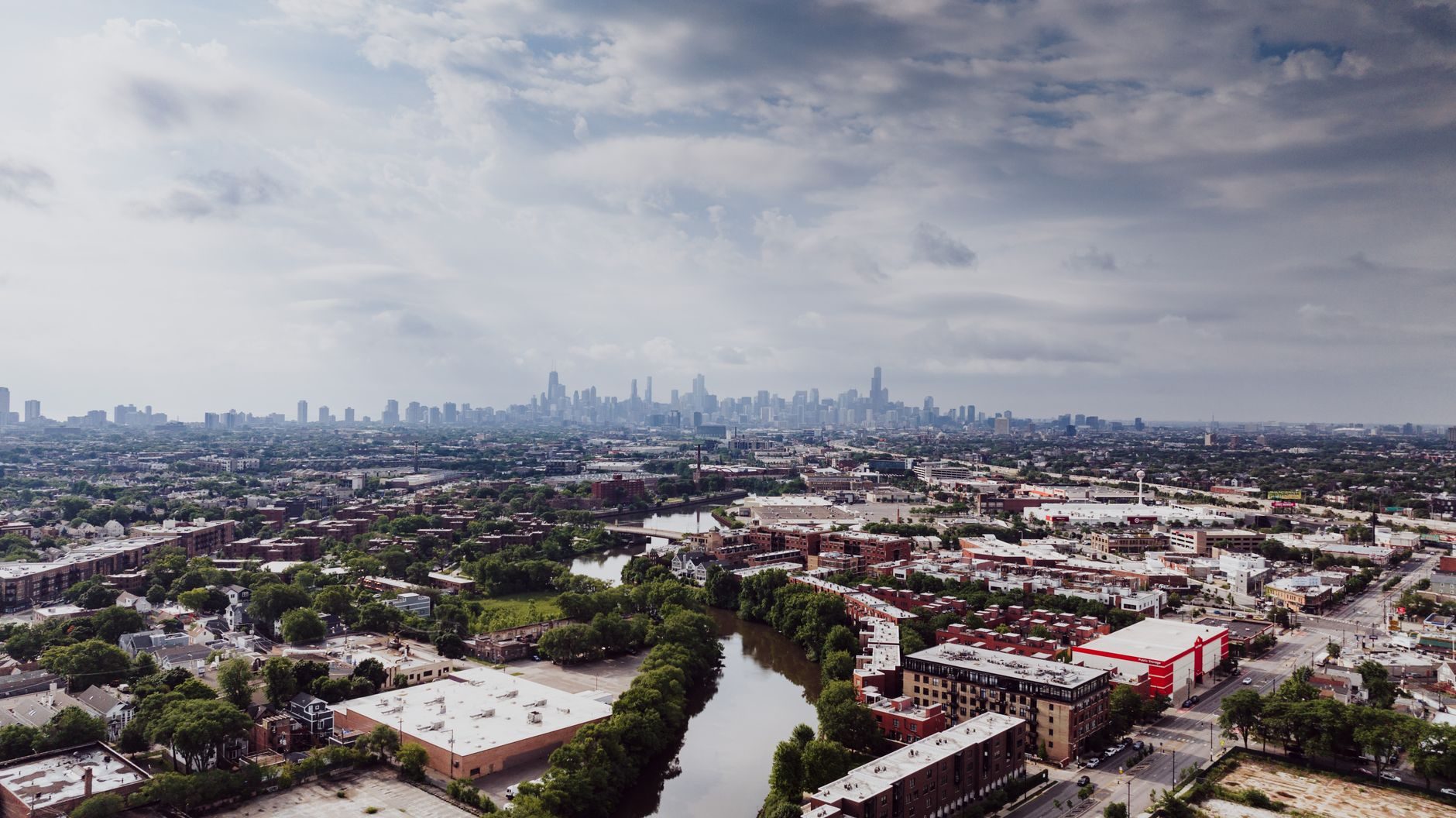
Ukrainian Village · Cook County · IL
Homes for sale in
Ukrainian Village.
- Active listings
- 1
- Median list
- $800K
- Avg time on market
- 18 days
- Sold · last year
- 80
Active listings
1 home on the market

Beat the rest of the buyers
Be the first to know when a new Ukrainian Village home hits the market
Save the search and you will get a text and an email the moment a new listing matches. Most Ukrainian Village homes go under contract in the first week, the buyers who win are the ones who saw it first.
About the community
Living in Ukrainian Village.
Ukrainian Village is a Chicago neighborhood on the city's Near West Side, sitting within the official West Town community area. Its boundaries run roughly from Division Street on the north to Grand Avenue on the south, with Western Avenue on the west and Damen Avenue on the east. The neighborhood holds one of the largest concentrations of Ukrainian Americans in the United States and has long served as the commercial and spiritual hub for the roughly 70,000 Ukrainians in the greater Chicago region, with an estimated 15,000 Ukrainian Americans living in the area and about 6,002 residents in its core. The area began as farmland settled first by German immigrants, then became largely Slavic by the turn of the 20th century, with dense development spurred by an 1895 elevated train line along Paulina Avenue. The housing stock is historic and dense, dominated by brick two-flats and three-flats built between roughly 1892 and 1904, along with finely crafted brick worker's cottages and larger high-style single family residences. Two landmark Ukrainian churches anchor the community, St. Nicholas Ukrainian Catholic Cathedral, completed in 1915 with thirteen domes, and Saints Volodymyr and Olha Ukrainian Catholic Church. Transit access is strong, with several bus lines and a Walk Score of 95. The market is competitive, with a March 2026 median sale price around 767,500 dollars, up about 7 percent year over year.
At a glance
Location and community area
Ukrainian Village is a Near West Side neighborhood within the West Town community area, historically the hub for roughly 70,000 Ukrainian Americans across the Chicago region, with about 6,002 residents in its core.
Housing character
The neighborhood has a dense historic stock of brick two-flats, three-flats, and worker's cottages, most built between about 1892 and 1904.
Walk Score
Ukrainian Village earns a Walk Score of 95 and a Bike Score of 95, ranking among the most walkable neighborhoods in Chicago.
Median home price
As of March 2026, homes sold at a median price of about 767,500 dollars, up roughly 7 percent year over year.
Landmark cathedrals
St. Nicholas Ukrainian Catholic Cathedral, completed in 1915 with thirteen domes, and the Louis Sullivan-designed Holy Trinity Russian Orthodox Cathedral anchor the neighborhood.
Dining and nightlife
The area has roughly 139 restaurants, bars, and coffee shops, with residents able to walk to an average of eight within five minutes.
Transit
Ukrainian Village has a Transit Score of 70, with about five bus lines connecting it toward downtown and surrounding neighborhoods.
Historic district
The Ukrainian Village District was designated a Chicago Landmark District on December 4, 2002, with extensions added in 2005 and 2007.
What it’s actually like to live here
Daily life in Ukrainian Village is defined by exceptional walkability. With a Walk Score of 95, daily errands do not require a car, and the neighborhood ranks among the most walkable in Chicago. There are roughly 139 restaurants, bars, and coffee shops, and residents can walk to an average of eight of them within five minutes, supporting a lively local dining and nightlife scene. A Bike Score of 95 makes it excellent for cycling, while a Transit Score of 70 and about five bus lines provide solid connections toward downtown and surrounding neighborhoods. Green space is close at hand at Smith Park in the adjacent West Town community, a roughly 10-acre park with a fieldhouse, swimming pool, playground, ball fields, and tennis and pickleball courts.
The neighborhood draws a mix of longtime Eastern European residents and newer arrivals attracted by its historic housing and central location. Although Ukrainian Village remains the heart of Chicago's Ukrainian community, with an estimated 15,000 Ukrainian Americans, gentrification across West Town has broadened who lives there. The housing market is competitive, with a median sale price around 767,500 dollars as of March 2026, up about 7 percent year over year, and homes spending around 52 days on market with many selling above list price. Buyers are drawn to a dense, historic streetscape of brick two-flats, three-flats, greystones, and worker's cottages within a designated Chicago Landmark district.
Around town
What there is to do in Ukrainian Village.
A handful of the places people who live here actually use. Not a directory.
- Landmark
St. Nicholas Ukrainian Catholic Cathedral
A 1915 Ukrainian Greek Catholic cathedral crowned by thirteen domes symbolizing Christ and the Twelve Apostles, anchoring the neighborhood at Oakley Boulevard and Rice Street.
- Culture
Ukrainian National Museum
Founded in 1952, the museum holds a folk art collection of more than 10,000 objects, one of the most important outside Ukraine, on West Superior Street.
- Culture
Ukrainian Institute of Modern Art
A contemporary art institute presenting rotating exhibitions exploring Ukrainian and modern artistic themes in the heart of Ukrainian Village.
- Parks
Smith Park
A roughly 10-acre West Town park with a fieldhouse, swimming pool, playground, baseball fields, and tennis and pickleball courts.
- Landmark
Holy Trinity Russian Orthodox Cathedral
A historic cathedral designed by famed architect Louis Sullivan, the first Eastern European Orthodox church in the old Slavic Village.
- Culture
Ukrainian Village Landmark District
A designated Chicago Landmark District centered on Haddon, Thomas, and Cortez streets, full of finely crafted brick two-flats, three-flats, and worker's cottages.
By the numbers
Ukrainian Village taxes + market stats.
Property tax rates vary by exact township and assessor district. Confirm per address before pricing a purchase.
Median sold price
$623,411
MRED · last 12 mo (80 sales)
How Ukrainian Village got here
A bit of history.
Ukrainian Village, like neighboring East Village, began as farmland. German immigrants who arrived mostly in the mid-19th century formed the largest early ethnic group, but with new waves of immigration starting in the late 19th century the area was largely Slavic by the turn of the century. Ukrainians settled here partly because of their familiarity with the Poles of the surrounding Polish Downtown, and dense settlement was spurred by the 1895 construction of an elevated train line along Paulina Avenue, which gave residents access to workplaces before it was decommissioned in 1964. The neighborhood grew into the commercial and spiritual center of Chicago's Ukrainian community, gaining three major Ukrainian churches, Ukrainian-owned financial institutions, a Ukrainian-language grammar school, the Ukrainian National Museum, a Ukrainian Cultural Center, and the Ukrainian Institute of Modern Art. St. Nicholas Ukrainian Catholic Cathedral was the first of the area's two Ukrainian Greek Catholic churches, with its property purchased in 1913 and the present church completed in 1915, its thirteen domes representing Christ and the Twelve Apostles.
Saints Volodymyr and Olha Ukrainian Catholic Parish was founded in 1968 after a split within the St. Nicholas parish, and it follows the Julian Calendar. The neighborhood also holds Holy Trinity Russian Orthodox Cathedral, the first Eastern European Russian Orthodox church in what was then called the Slavic Village, designed by architect Louis Sullivan. On December 4, 2002, the Ukrainian Village District, centered on Haddon Avenue, Thomas Street, and Cortez Street between Damen and Leavitt Avenues, was designated a Chicago Landmark District, with extensions added in 2005 and 2007. Over the past half century the area has remained a neighborhood with deep Eastern European roots, though the broader gentrification of the West Town community area has steadily reshaped it into a trendier, more mixed area.
The questions buyers actually ask
Ukrainian Village FAQ
The questions I get most from buyers shopping Ukrainian Village. If yours isn't here, text 224-385-8779, same-day reply.
- What kinds of homes can I buy in Ukrainian Village?
- The neighborhood's housing stock is historic and dense, dominated by brick two-flats and three-flats built largely between 1892 and 1904. You will also find finely crafted brick worker's cottages and some larger high-style single family residences, especially within the Chicago Landmark district. This mix gives the area its distinctive streetscape of vintage masonry buildings. Many properties sit within a designated historic district, which shapes their character and preservation.
- How is the commute downtown?
- Ukrainian Village has strong transit access, with a Transit Score of 70 and about five bus lines passing through the neighborhood. It sits on the Near West Side, close to the Loop, and is rated a Walker's Paradise with a Walk Score of 95. It is also excellent for cycling with a Bike Score of 95, so commuting by bike is very feasible. Daily errands generally do not require a car.
- Is it walkable and good for dining and nightlife?
- Yes. With a Walk Score of 95, it ranks among the most walkable neighborhoods in Chicago, and daily errands do not require a car. The area has about 139 restaurants, bars, and coffee shops, and residents can walk to an average of eight of them within five minutes. This density supports an active dining and nightlife scene right within the neighborhood.
- What is the history and landmark status of the area?
- Ukrainian Village grew from late-19th-century farmland into the spiritual and commercial hub of Chicago's Ukrainian community, anchored by churches like St. Nicholas Ukrainian Catholic Cathedral, completed in 1915. On December 4, 2002, the Ukrainian Village District was designated a Chicago Landmark District, centered on Haddon, Thomas, and Cortez streets between Damen and Leavitt. Extensions to the district were added in 2005 and 2007. The neighborhood also holds the Louis Sullivan-designed Holy Trinity Russian Orthodox Cathedral.
- How affordable is it?
- Ukrainian Village is a competitive, relatively high-priced market. The median sale price was about 767,500 dollars in March 2026, up roughly 7 percent from a year earlier. Homes averaged about 52 days on market, and a significant share sold above list price. Buyers should expect strong demand and limited inventory.
- Which official Chicago community area does it belong to?
- Ukrainian Village is one of the neighborhoods within the West Town community area on the city's Near West Side. Its boundaries run roughly from Division Street on the north to Grand Avenue on the south, with Western Avenue on the west and Damen Avenue on the east. West Town also contains other well-known neighborhoods such as Wicker Park and Noble Square.
- Who is the real estate agent for Ukrainian Village?
- Joe Keegan is the local licensed Illinois real estate broker who covers Ukrainian Village in Ukrainian Village, IL through Subdiview, a neighborhood-first home search for the Chicago suburbs and collar counties. Joe prices and negotiates from the live MRED sold comps for Ukrainian Village specifically, not national averages, and can help you buy or sell here. Reach Joe at 224-385-8779 or joe@joekeeganhomes.com.
Nearby
Neighborhoods near Ukrainian Village.
If you’re cross-shopping the area, these are the neighborhoods right next to Ukrainian Village.
Your local agent
Joe knows Ukrainian Village
Most agents will list anything. I focus on the places I actually know, and the things that move value here don't show up in the MLS write-up: which streets and buildings hold demand, what the HOA or assessments really cover, how the comps read once you account for condition and location, and where buyers consistently want to be.
When you're ready to tour or list, you want someone who has read the last 50 closed comps in this specific market, not a national average, and can tell you what they actually mean for your price. That's how I work. Text or call any time, and I'll give you a real take, not a brochure.
- Licensed Illinois broker
- Comp-driven pricing
- Ukrainian Village specialist
- Honest local market take
- Brokerocity
Thinking of selling?
What's your home actually worth?
Not a Zestimate. A real CMA from someone who's sold this neighborhood, knows the floor plan premiums, and can tell you which upgrades the buyer pool here actually pays for.
- Pricing range with comp-by-comp logic
- Pre-list improvements that pay back, and the ones that don't
- No obligation, no spam, no auto-dialer