United Center · Cook County · IL
Homes for sale in
United Center.
- Active listings
- 2
- Median list
- $1.29M
- Avg time on market
- 164 days
- Sold · last year
- 64
Active listings
2 homes on the market


Beat the rest of the buyers
Be the first to know when a new United Center home hits the market
Save the search and you will get a text and an email the moment a new listing matches. Most United Center homes go under contract in the first week, the buyers who win are the ones who saw it first.
About the community
Living in United Center.
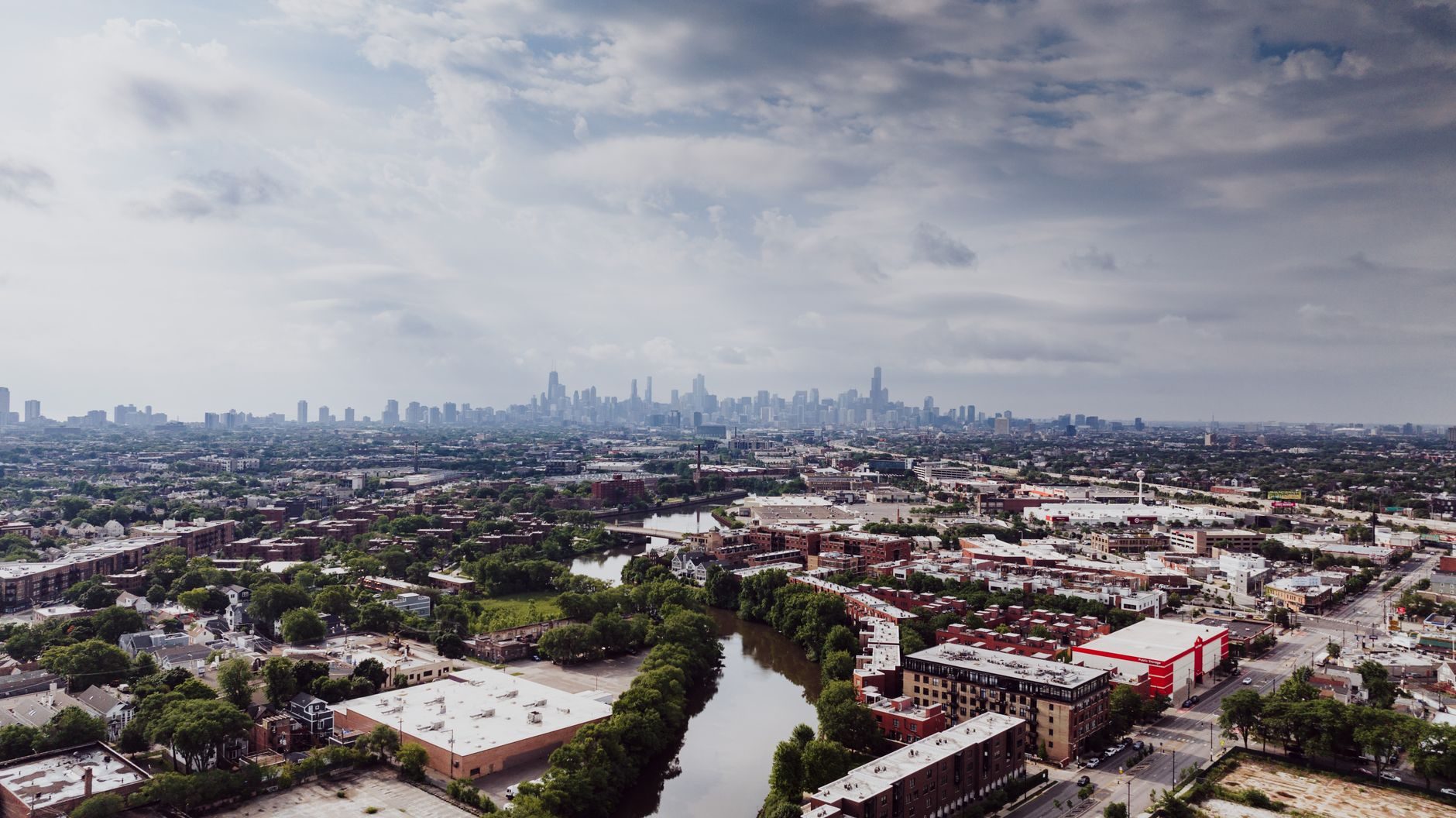
The United Center neighborhood sits on Chicago's Near West Side, roughly two miles west of the Loop and anchored by the arena at 1901 West Madison Street, the largest arena in the United States by size. The broader Near West Side community area runs from 16th Street on the south to Harrison Street on the north, and from the Dan Ryan Expressway east to Racine Avenue west, threading together Greektown, Little Italy, and the sprawling Illinois Medical District just to the south. Housing here leans heavily toward attached homes, with condos, converted lofts, and townhomes far more common than detached single-family houses, and the area is now poised for a wave of new construction tied to the arena district. This is historic ground, where the United Center opened in 1994 to replace the beloved Chicago Stadium, the venue known as the madhouse on Madison, as home to the Bulls and Blackhawks. Day to day it is a genuinely walkable, transit-rich pocket, with the Near West Side carrying a Walk Score of 84, the CTA Green and Pink Lines stopping at Ashland just blocks north, and the newer Damen Green Line station opening in 2024 even closer to the arena. Buyers are drawn by the proximity to Fulton Market and West Loop dining, jobs in the 560-acre Illinois Medical District, and easy access downtown. The headline for anyone shopping here is the 1901 Project, a roughly 7 billion dollar, 55-acre redevelopment that broke ground in June 2026 and is set to add thousands of homes, hotels, retail, and parks around the arena over the next decade and a half. For a buyer, this is a neighborhood you can still get into before the surrounding district fully transforms.
At a glance
Near West Side location
The neighborhood sits roughly two miles west of the Loop in Chicago's Near West Side community area, bounded by 16th Street, Harrison Street, the Dan Ryan Expressway, and Racine Avenue.
Condo and loft heavy
The local housing stock leans toward attached homes, with a market dominated by condos and lofts rather than detached houses.
Walk Score of 84
The Near West Side carries a Walk Score of 84, making it one of Chicago's more walkable neighborhoods where transit is convenient for most trips.
Home of Bulls and Blackhawks
The United Center is the home arena of the NBA's Chicago Bulls and the NHL's Chicago Blackhawks and hosts over 200 events per year.
Big-arena events all year
The arena seats around 20,900 for basketball and up to 23,500 for concerts, hosting acts from Beyonce and Taylor Swift to the 2024 Democratic National Convention.
Median sale price near 478K
The median sale price of a home in the Near West Side was about 478,000 dollars, up 7.3 percent year over year.
Green and Pink Line access
The CTA Green and Pink Lines both stop at the Ashland station at 1601 West Lake Street, with the newer Damen Green Line station opening in 2024 closer to the arena.
Union Park green space
Union Park at 1501 West Randolph Street offers 13.77 acres with a fieldhouse, pool, tennis and basketball courts, ballfields, and festival events.
What it’s actually like to live here
Living near the United Center means everyday walkability and strong transit, with the Near West Side earning a Walk Score of 84 and hundreds of restaurants, bars, and coffee shops within the community area. The CTA Green and Pink Lines stop at the Ashland station at 1601 West Lake Street just north of the arena, and the newer Damen Green Line station, which opened in 2024 about a half-mile from the United Center, makes getting downtown quick and simple. Residents are minutes from the dining gravity of Fulton Market and the West Loop, where the meatpacking-district-turned-restaurant-row scene includes Michelin-starred kitchens and celebrity-chef flagships. Just to the south, the 560-acre Illinois Medical District puts four major hospitals, two medical universities, and tens of thousands of jobs within an easy commute, a major draw for healthcare workers who want to live close to work.
Green space and event energy define the rhythm of the neighborhood. Union Park at 1501 West Randolph offers 13.77 acres of ballfields, tennis and basketball courts, a pool, and a fieldhouse, and it hosts festivals and Night Out in the Parks programming. The flip side of arena-side living is event-day intensity, since with the United Center hosting over 200 events a year, Bulls and Blackhawks games plus major concerts bring crowds, traffic, and parking pressure on game nights, though the CTA Madison bus and the nearby rail stations give residents and visitors a way around the gridlock. The upside is that the 1901 Project is set to convert much of the surrounding sea of parking lots into walkable parks, retail, and housing over the coming years. For buyers who enjoy big-city energy and want to be close to the action, this neighborhood offers a front-row seat.
Around town
What there is to do in United Center.
A handful of the places people who live here actually use. Not a directory.
- Sports
United Center
Home to the Chicago Bulls and Blackhawks, the United Center is the largest arena in the United States by size and hosts over 200 events a year.
- Food & Drink
Fulton Market District
A short hop east, the Fulton Market District is one of Chicago's fastest-growing neighborhoods, packed with acclaimed restaurants, bars, and nightlife in a former meatpacking district.
- Parks
Union Park
This 13.77-acre Near West Side park offers a fieldhouse, pool, tennis and basketball courts, and ballfields, and serves as a festival venue including for major music events.
- Culture
Illinois Medical District
Just south of the arena, the 560-acre Illinois Medical District is the oldest established medical district in the country, with four major hospitals and tens of thousands of employees.
- Culture
Malcolm X College
Part of the City Colleges of Chicago at 1900 West Jackson Boulevard, Malcolm X College opened a 251 million dollar School of Health Sciences with a virtual hospital in 2016.
- Shopping
The 1901 Project
The roughly 7 billion dollar redevelopment of 55 acres around the United Center will add restaurants, hotels, retail, parks, and a 6,000-seat music hall over the coming years.
By the numbers
United Center taxes + market stats.
Property tax rates vary by exact township and assessor district. Confirm per address before pricing a purchase.
Median sold price
$362,500
MRED · last 12 mo (64 sales)
How United Center got here
A bit of history.
The Near West Side is some of the oldest and most storied ground in Chicago. The Great Chicago Fire of 1871 began here, and in its aftermath waves of Irish, German, Czech, and other immigrants settled across the river on the West Side, giving rise to enduring enclaves like Greektown along Halsted Street and Little Italy near the Illinois Medical District. The arena's own roots run deep, as the United Center opened in 1994 to replace the West Side's Chicago Stadium, the 1929 venue nicknamed the madhouse on Madison, which stood directly across Madison Street. Today the United Center is the largest arena in the United States by size, covering 960,000 square feet on a 46-acre parcel and serving as home to the Chicago Bulls and Chicago Blackhawks.
The next chapter for the area is the 1901 Project, named for the arena's address at 1901 West Madison Street and led by the Reinsdorf family, owners of the Bulls, and the Wirtz family, owners of the Blackhawks. Officials broke ground in June 2026 on the roughly 7 billion dollar plan, which will transform more than 55 acres of surface parking around the arena into a mixed-use district with restaurants, hotels, parks, and housing, described as the largest development ever undertaken on the West Side. At full buildout the master plan envisions thousands of new residential units, hundreds of thousands of square feet of office and retail space, more than a thousand hotel rooms, and a potential new CTA Pink Line station, delivered in phases over more than a decade. The first phase is anchored by a 6,000-seat music hall slated to host around 150 events a year, alongside a hotel, retail, and parking garages with rooftop green space.
The questions buyers actually ask
United Center FAQ
The questions I get most from buyers shopping United Center. If yours isn't here, text 224-385-8779, same-day reply.
- What community area is the United Center neighborhood in, and how do I find the assigned public school?
- The United Center sits within Chicago's Near West Side community area, roughly two miles west of the Loop. To confirm the neighborhood elementary, middle, and high schools assigned to a specific address, use the official CPS School Locator, which returns the schools a child can attend without an application.
- How does event day at the arena affect residents?
- The United Center hosts more than 200 events a year, including Bulls and Blackhawks games and major concerts, so game and concert nights bring crowds, traffic, and parking demand to the immediate blocks around 1901 West Madison. Many fans use transit to avoid the congestion, and the 1901 Project plans to convert much of the surrounding surface parking into walkable development over time.
- Is this a condo neighborhood or can I find single-family homes?
- The Near West Side market leans heavily toward attached homes such as condos, lofts, and townhomes rather than detached single-family houses, with a recent median sale price around 478,000 dollars. Detached houses exist but are less common, and the area is a competitive market.
- What is the commute downtown like?
- It is short and transit-friendly. The neighborhood sits about two miles west of the Loop, and the CTA Green and Pink Lines both stop at the Ashland station at 1601 West Lake Street, with the newer Damen Green Line station opening in 2024 even closer to the arena.
- If I buy a condo here, can I rent it out as an investment?
- That depends on the building. Under the Illinois Condominium Property Act, individual associations have wide latitude to set leasing rules, and some cap the number of units that can be rented at once or how often an owner can lease. Review the association's declaration and rules before buying for investment.
- What is the 1901 Project and how will it change the area?
- The 1901 Project is a roughly 7 billion dollar redevelopment of more than 55 acres around the United Center, led by the Bulls' and Blackhawks' owners, which broke ground in June 2026. It is set to add thousands of homes, hotels, retail, parks, and a 6,000-seat music hall over more than a decade, and includes a potential new CTA Pink Line station.
- Who is the real estate agent for United Center?
- Joe Keegan is the local licensed Illinois real estate broker who covers United Center in United Center, IL through Subdiview, a neighborhood-first home search for the Chicago suburbs and collar counties. Joe prices and negotiates from the live MRED sold comps for United Center specifically, not national averages, and can help you buy or sell here. Reach Joe at 224-385-8779 or joe@joekeeganhomes.com.
Nearby
Neighborhoods near United Center.
If you’re cross-shopping the area, these are the neighborhoods right next to United Center.
Your local agent
Joe knows United Center
Most agents will list anything. I focus on the places I actually know, and the things that move value here don't show up in the MLS write-up: which streets and buildings hold demand, what the HOA or assessments really cover, how the comps read once you account for condition and location, and where buyers consistently want to be.
When you're ready to tour or list, you want someone who has read the last 50 closed comps in this specific market, not a national average, and can tell you what they actually mean for your price. That's how I work. Text or call any time, and I'll give you a real take, not a brochure.
- Licensed Illinois broker
- Comp-driven pricing
- United Center specialist
- Honest local market take
- Brokerocity
Thinking of selling?
What's your home actually worth?
Not a Zestimate. A real CMA from someone who's sold this neighborhood, knows the floor plan premiums, and can tell you which upgrades the buyer pool here actually pays for.
- Pricing range with comp-by-comp logic
- Pre-list improvements that pay back, and the ones that don't
- No obligation, no spam, no auto-dialer