Armour Square · Cook County · IL
Homes for sale in
Armour Square.
- Active listings
- 2
- Median list
- $849K
- Avg time on market
- 49 days
- Sold · last year
- 16
Active listings
2 homes on the market


Beat the rest of the buyers
Be the first to know when a new Armour Square home hits the market
Save the search and you will get a text and an email the moment a new listing matches. Most Armour Square homes go under contract in the first week, the buyers who win are the ones who saw it first.
About the community
Living in Armour Square.
Armour Square is Community Area 34, a long, narrow strip on Chicago's South Side that sits roughly three miles south of the Loop and contains the city's historic Chinatown along with Rate Field, home of the Chicago White Sox. The community area covers just 0.99 square miles and is wedged between rail lines and expressways, bounded by 18th Street to the north, Pershing Road to the south, the Union Pacific railroad tracks on the west, and the Dan Ryan Expressway to the east, with Bridgeport next door to the west and the Near South Side to the north. As of the 2020 Census the population was 13,890, and the neighborhood is now predominantly Asian, at about 70.7 percent, reflecting the longstanding Chinese community centered on Wentworth and Cermak Avenues. Housing runs from older brick two-flats and worker cottages to Chinatown apartment developments and CHA housing such as Wentworth Gardens, with newer infill and adaptive-reuse projects adding to the mix. The area began as a working-class way station for German, Irish, Italian, and Croatian families and has been continuously remade by waves of migration. For buyers, the draws are clear: an excellent Walk Score, two Red Line stops, Metra service, walkable dining, and a price point well below many North Side neighborhoods.
At a glance
Population
Armour Square had a population of 13,890 as of the 2020 U.S. Census, spread across just under one square mile on the South Side.
Walk Score
The neighborhood earns a Walk Score of 89, making it one of the most walkable communities in Chicago, where most errands can be done on foot.
Transit and CTA
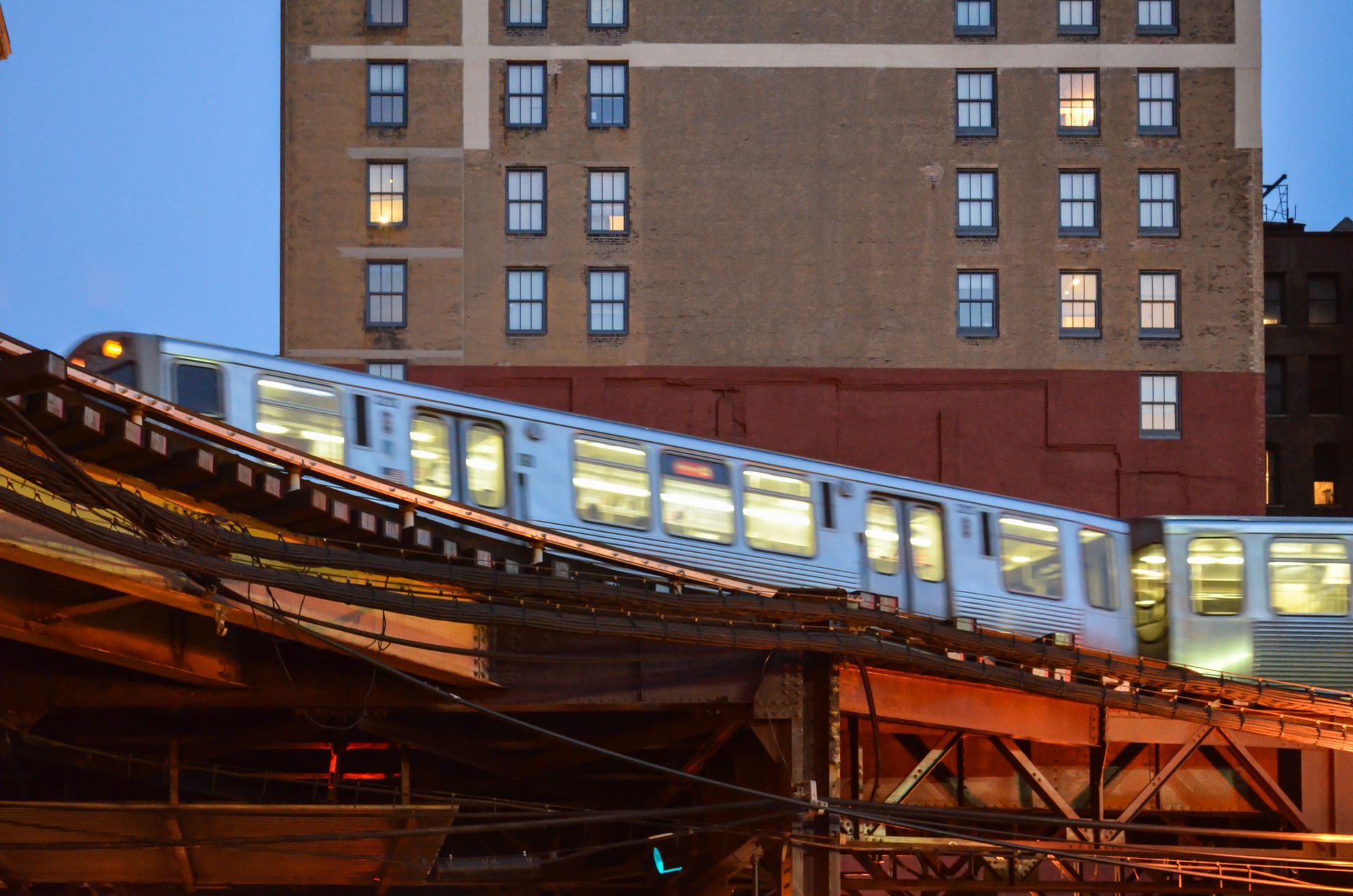
Armour Square has a Transit Score of 75, served by the CTA Red Line at Cermak-Chinatown and Sox-35th plus Metra Rock Island service at 35th Street.
Bike Score
A Bike Score of 85 rates the area very bikeable, with biking convenient for most local trips.
Median home price
The median sale price was about 280,000 dollars in November 2025, with homes selling in roughly 79 days.
Sports
The neighborhood is home to Rate Field, formerly Guaranteed Rate Field, the White Sox ballpark at 333 West 35th Street, where the franchise has played since 1910.
Parks
Armour (Philip) Square Park covers 8.98 acres with a fieldhouse, fitness center, pool, ball fields, and tennis courts directly across from the ballpark.
Diversity
Armour Square is predominantly Asian at about 70.7 percent as of 2020, anchored by a thriving Chinese American community with deep immigrant roots.
What it’s actually like to live here
Daily life in Armour Square is defined by walkability and exceptional transit. With a Walk Score of 89, most errands can be accomplished on foot, and the neighborhood earns a Transit Score of 75, anchored by two CTA Red Line stations, Cermak-Chinatown and Sox-35th, plus Metra Rock Island service at the 35th Street station, putting downtown within a short ride. A Bike Score of 85 makes it very bikeable as well. Dining is a centerpiece, with roughly 148 restaurants, bars, and coffee shops in the neighborhood and residents able to walk to an average of nine of them within five minutes, with Chinatown's family-owned restaurants, bakeries, and specialty shops at the core.
The housing market is relatively affordable by Chicago standards, with a median sale price around 280,000 dollars as of November 2025 and a market that rates as somewhat competitive. Green space and recreation center on Armour (Philip) Square Park, an 8.98-acre park across the street from the White Sox ballpark, offering a fieldhouse with a fitness center and two gymnasiums, an outdoor pool, baseball and football fields, tennis and pickleball courts, and a renovated playground. Culture is everywhere, from White Sox baseball at Rate Field to Chinatown's Nine Dragon Wall, ornate gate, and riverfront Ping Tom Memorial Park. The neighborhood is notably diverse, predominantly Asian with a deep Chinese American heritage layered over its Italian, Croatian, and African American history.
Around town
What there is to do in Armour Square.
A handful of the places people who live here actually use. Not a directory.
- Sports
Rate Field
Home of the Chicago White Sox at 333 West 35th Street, the ballpark has anchored the neighborhood since the team began play here in 1910. It is two blocks from the Sox-35th Red Line stop, making game day an easy car-free outing.
- Parks
Armour (Philip) Square Park
An 8.98-acre park directly across from the White Sox stadium, with a fieldhouse, fitness center, outdoor pool, ball fields, and a renovated playground. It hosts day camps, after-school programs, and family events like Movies in the Park.
- Culture
Chicago Chinatown
A century-old neighborhood of specialty shops, ornate architecture, and family-owned restaurants centered on Wentworth Avenue and Cermak Road. Highlights include the Nine Dragon Wall and the pedestrian-friendly Chinatown Square.
- Food & Drink
Chinatown Square
A two-level outdoor mall just north of the main Wentworth Avenue district, packed with cafes, boutiques, and restaurants. Its pedestrian plaza is a hub for dining and festivals throughout the year.
- Culture
Chinatown Gate
The ornate ceremonial gate marking the entrance to Chinatown at Wentworth and Cermak, a signature photo spot and gateway to the district's shops and restaurants.
- Recreation
Armour Square Fitness Center
The fitness center inside the Armour Square fieldhouse offers exercise equipment and circuit training classes, part of the park's two-gymnasium recreation complex open to residents.
By the numbers
Armour Square taxes + market stats.
Property tax rates vary by exact township and assessor district. Confirm per address before pricing a purchase.
Median sold price
$345,000
MRED · last 12 mo (16 sales)
How Armour Square got here
A bit of history.
Armour Square has been a working-class area from its earliest days. Germans and Irish arrived during the Civil War and Swedes joined later, using the neighborhood as a way station as they moved southward and climbed in economic status. Though it lay just south of the area burned in the Chicago Fire of 1871, the disaster reshaped it, as new laws requiring brick or stone construction in the central city drove up costs and pushed many working families out to the edge of the brick area, and Armour Square absorbed many of them. The neighborhood later lost blocks of housing as bordering railroad tracks were elevated, cutting the area off from neighborhoods to the east and west. By 1899 Italian immigrants had arrived and formed the Roman Catholic parish of Santa Maria Incoronata, and in 1909 Charles Comiskey built a new baseball park for the Chicago White Sox between 34th and 35th Streets.
Around 1912, Chinese residents living in an enclave at the south edge of the Loop began a mass movement southward into Armour Square, settling around Wentworth Avenue and Cermak Road, where Chinatown still stands today. Facing severe discrimination, they secured leases through an intermediary, the H. O. Stone Company, which acted on behalf of 50 Chinese businessmen. Chinatown grew into a major attraction with an impressive entrance gate and famed restaurants. Meanwhile, the neighborhood's southern section became part of the city's expanding Black Belt, and by 1947 the Chicago Housing Authority completed Wentworth Gardens, helping push the area to an all-time high of more than 23,000 residents. By 1999 Chinese residents made up over half the area's population, and developments like Chinatown Square and Jade City apartments, plus a riverfront Chinatown park, added fresh energy.
The questions buyers actually ask
Armour Square FAQ
The questions I get most from buyers shopping Armour Square. If yours isn't here, text 224-385-8779, same-day reply.
- What types of homes are available in Armour Square and what do they cost?
- Armour Square offers a mix of older brick two-flats and worker cottages, Chinatown apartment buildings, and some newer infill and adaptive-reuse developments. As of November 2025 the median sale price was about 280,000 dollars, with a median price per square foot around 285 dollars. That makes it relatively affordable compared with many North Side neighborhoods. Homes were selling in roughly 79 days, and the market rates as somewhat competitive.
- How is the commute to downtown Chicago?
- The commute is one of Armour Square's biggest selling points. The neighborhood sits roughly three miles south of the Loop and is served by two CTA Red Line stations, Cermak-Chinatown and Sox-35th, plus Metra Rock Island service at the 35th Street station. Its transit rates as excellent with a Transit Score of 75. Most trips downtown take only a short ride, and the area is very walkable and bikeable for getting around locally.
- What are the schools like for families?
- Chicago Public Schools serves Armour Square residents. The K-8 schools serving the community area include Haines and James Ward elementary schools, with Ward tracing its roots to 1874. Residents are zoned to Phillips Academy High School. Families should verify current attendance boundaries with CPS directly, since zones can change.
- What is there to do for recreation?
- The centerpiece is Armour (Philip) Square Park, an 8.98-acre park across from the White Sox ballpark with a fitness center, two gymnasiums, an outdoor pool, baseball and football fields, tennis and pickleball courts, and a renovated playground. It runs after-school programs and a popular summer day camp. Sports fans also have Rate Field for White Sox baseball right in the neighborhood.
- How is the dining and culture scene?
- Armour Square contains Chicago's historic Chinatown, giving it a dense and distinctive food and culture scene. There are about 148 restaurants, bars, and coffee shops in the neighborhood, and residents can walk to an average of nine within five minutes. Chinatown offers family-owned restaurants, bakeries, the Nine Dragon Wall, the ceremonial Chinatown Gate, and the pedestrian-friendly Chinatown Square. White Sox baseball at Rate Field adds to the mix.
- What is the neighborhood's character and diversity?
- Armour Square is a compact, working-class neighborhood with deep immigrant roots. Historically it drew German, Irish, Italian, Croatian, and African American residents, and today it is predominantly Asian, about 70.7 percent as of the 2020 Census, anchored by a thriving Chinese American community. A 2014 survey found that 46.6 percent of residents speak Chinese at home. The result is a culturally rich, transit-connected enclave with a strong sense of identity.
- Who is the real estate agent for Armour Square?
- Joe Keegan is the local licensed Illinois real estate broker who covers Armour Square in Armour Square, IL through Subdiview, a neighborhood-first home search for the Chicago suburbs and collar counties. Joe prices and negotiates from the live MRED sold comps for Armour Square specifically, not national averages, and can help you buy or sell here. Reach Joe at 224-385-8779 or joe@joekeeganhomes.com.
Nearby
Neighborhoods near Armour Square.
If you’re cross-shopping the area, these are the neighborhoods right next to Armour Square.
Your local agent
Joe knows Armour Square
Most agents will list anything. I focus on the places I actually know, and the things that move value here don't show up in the MLS write-up: which streets and buildings hold demand, what the HOA or assessments really cover, how the comps read once you account for condition and location, and where buyers consistently want to be.
When you're ready to tour or list, you want someone who has read the last 50 closed comps in this specific market, not a national average, and can tell you what they actually mean for your price. That's how I work. Text or call any time, and I'll give you a real take, not a brochure.
- Licensed Illinois broker
- Comp-driven pricing
- Armour Square specialist
- Honest local market take
- Brokerocity
Thinking of selling?
What's your home actually worth?
Not a Zestimate. A real CMA from someone who's sold this neighborhood, knows the floor plan premiums, and can tell you which upgrades the buyer pool here actually pays for.
- Pricing range with comp-by-comp logic
- Pre-list improvements that pay back, and the ones that don't
- No obligation, no spam, no auto-dialer