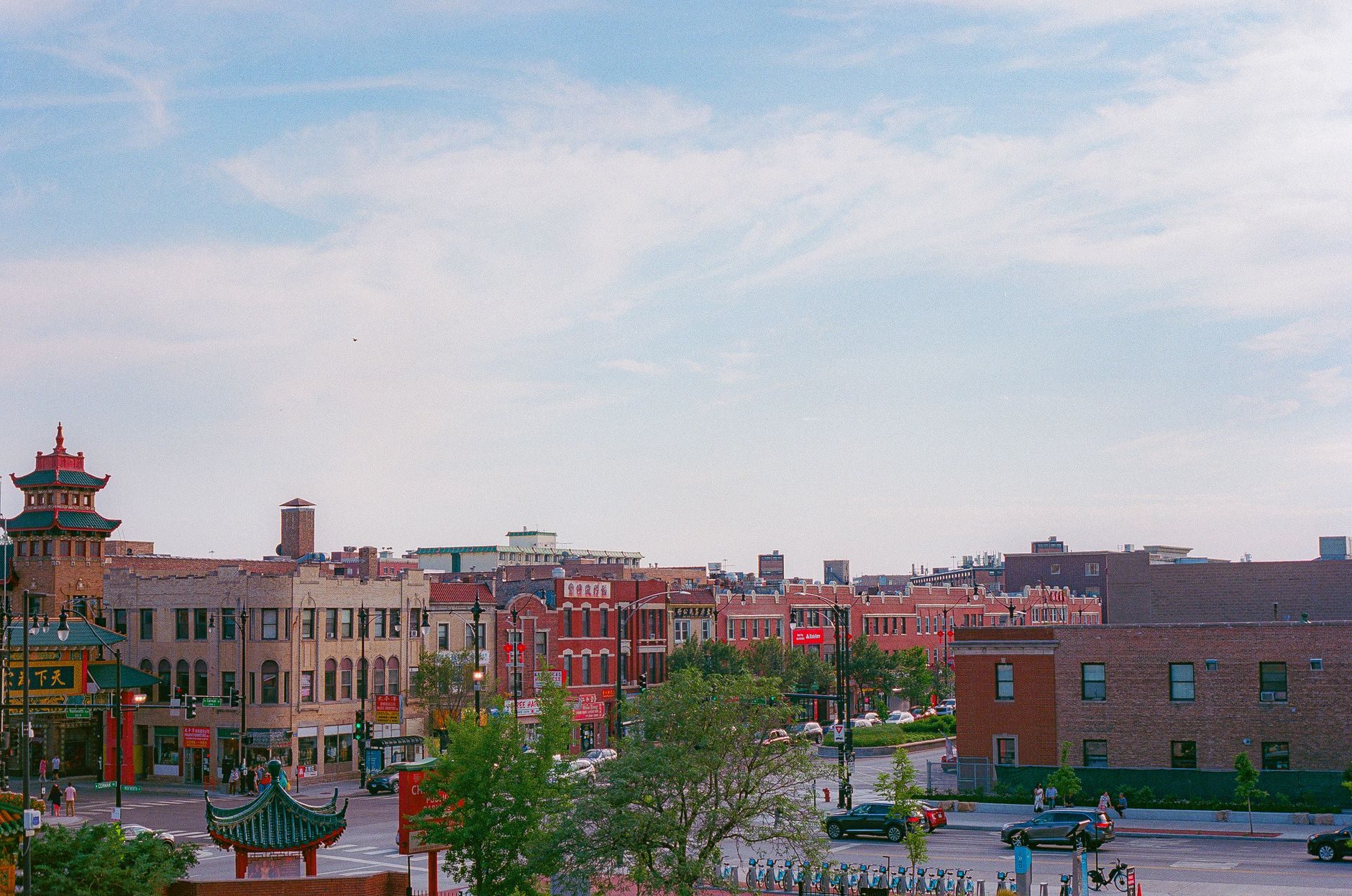
Printers Row · Cook County · IL
Homes for sale in
Printers Row.
- Active listings
- 1
- Median list
- $185K
- Avg time on market
- 129 days
- Sold · last year
- 85
Active listings
1 home on the market

Beat the rest of the buyers
Be the first to know when a new Printers Row home hits the market
Save the search and you will get a text and an email the moment a new listing matches. Most Printers Row homes go under contract in the first week, the buyers who win are the ones who saw it first.
About the community
Living in Printers Row.
Printers Row is a compact, character-rich district tucked into the south edge of Chicago's Loop, running roughly along South Dearborn Street between Ida B. Wells Drive (formerly Congress Parkway) and Polk Street. Once the publishing capital of the Midwest, the neighborhood is anchored by the Printing House Row Historic District, where dozens of late-1800s printing and publishing buildings were constructed in the shadow of the 1885 Dearborn Station. After the printing industry left and the station closed in the early 1970s, those sturdy old loft buildings were reborn as residential lofts and condominiums, giving the area its signature housing stock of high-ceilinged converted lofts alongside newer condo developments. Today it draws a mix of downtown professionals, students, and longtime residents who value walkability and a quieter pocket within the bustle of the central city. Its identity is defined by that printing-to-residential story, beloved institutions like Sandmeyer's Bookstore, and the annual Printers Row Lit Fest, the largest free outdoor literary event in the Midwest. For buyers, the takeaway is a rare combination of genuine historic architecture, top-tier walkability, and an easy walk to the Loop, Grant Park, and the lakefront.
At a glance
National Historic Landmark
The South Dearborn Street and Printing House Row North Historic District was listed on the National Register of Historic Places and designated a National Historic Landmark in 1976.
Chicago Landmark
The adjacent Printing House Row District spanning the 500 to 800 blocks of South Dearborn, Federal, and Plymouth was declared a Chicago Landmark in 1996.
Loft housing character
The neighborhood's old printing and publishing buildings were converted into residential lofts and condominiums beginning in the 1970s and 1980s.
Exceptional walkability
Printers Row carries a Walk Score of 98, ranking among the most walkable neighborhoods in Chicago.
Transit access
The CTA LaSalle station on the Blue Line sits just north of the neighborhood and serves as a transfer point with Metra at LaSalle Street Station.
Dearborn Station landmark
The 1885 Romanesque Revival Dearborn Station, with its distinctive clock tower, now houses office, retail, and entertainment space at the foot of Dearborn Street.
Median condo price
Printers Row home prices had a median around 296,000 dollars as of December 2025, per Redfin neighborhood data.
Printers Row Lit Fest
Founded in 1985, the Lit Fest is the largest free outdoor literary event in the Midwest, drawing tens of thousands of visitors each year.
What it’s actually like to live here
Daily life in Printers Row revolves around its walkable, historic streets. The neighborhood's converted loft buildings give residents the airy ceilings, big windows, and exposed-brick character that drew people here in the first place, all within a few blocks of downtown. With a Walk Score of 98, most errands can be handled on foot, and residents are steps from the Loop, Grant Park, and the Lake Michigan lakefront. Dining options cluster along Dearborn and nearby streets, including Half Sour, a corner restaurant and bar with a modern Jewish-deli-inspired menu that describes itself as a gathering place built to celebrate Printers Row and the South Loop.
The neighborhood's cultural soul is tied to books. Sandmeyer's Bookstore, founded in 1982 inside the 1892 Rowe Building at 714 South Dearborn, has been a family-owned independent cornerstone of the community for decades. Each year the Printers Row Lit Fest, launched in 1985 and now the largest free outdoor literary event in the Midwest, fills the streets with author talks, booksellers, and tens of thousands of readers. Beyond the books, the location is hard to beat for downtown access, with the CTA and Metra at LaSalle Street and Grant Park, Chicago's front yard, an easy walk away.
Around town
What there is to do in Printers Row.
A handful of the places people who live here actually use. Not a directory.
- Culture
Dearborn Station
The neighborhood's signature 1885 landmark, with its pink-granite clock tower, now houses offices, shops, and entertainment space at the south end of Dearborn Street.
- Shopping
Sandmeyer's Bookstore
A beloved family-owned independent bookstore open since 1982 in the historic Rowe Building, a true anchor of Printers Row.
- Culture
Printers Row Lit Fest
The Midwest's largest free outdoor literary festival, founded in 1985, bringing authors, booksellers, and readers to the neighborhood each year.
- Food & Drink
Half Sour
A welcoming corner restaurant and bar with a modern Jewish-deli-inspired menu, popular for brunch and built to celebrate the Printers Row community.
- Parks
Grant Park
Chicago's expansive lakefront front yard, an easy walk north and east of the neighborhood, full of green space, gardens, and festivals.
- Recreation
Chicago lakefront at Grant Park
Park District green space and lakefront paths just steps from Printers Row offer walking, biking, and Lake Michigan views.
By the numbers
Printers Row taxes + market stats.
Property tax rates vary by exact township and assessor district. Confirm per address before pricing a purchase.
Median sold price
$261,500
MRED · last 12 mo (85 sales)
How Printers Row got here
A bit of history.
Printers Row earned its name in the late 1800s, when it became the printing and publishing heart of Chicago and the Midwest. The catalyst was Dearborn Station, the Romanesque Revival terminal designed by Cyrus L. W. Eidlitz that opened in 1885 at Dearborn and Polk Streets. With paper and materials arriving by rail and finished books and magazines shipping out, the station turned the surrounding blocks into a thriving industrial corridor, and from the late 1880s into the early 1920s dozens of printing and publishing buildings rose nearby. The district also produced some of the era's most significant architecture, including the Manhattan Building, an early skyscraper supported by an internal metal skeleton, and the massive load-bearing masonry Monadnock Building.
By the mid-twentieth century, the neighborhood's fortunes had reversed. Printing businesses began relocating to the suburbs in the 1960s, and when Dearborn Station closed to intercity passenger service in 1971, the area entered a rapid decline, with the old station standing abandoned into the mid-1980s. Preservation-minded citizens, led by architect Harry Weese, succeeded in placing the district on the National Register of Historic Places in 1976. Through the late 1970s and 1980s, developers and architects transformed the vacant publishing houses into residential lofts, and the area was further protected when it was designated a Chicago Landmark in 1996. Dearborn Station itself was renovated and reopened as retail and office space.
The questions buyers actually ask
Printers Row FAQ
The questions I get most from buyers shopping Printers Row. If yours isn't here, text 224-385-8779, same-day reply.
- What kind of housing will I find in Printers Row?
- The neighborhood is best known for residential lofts created from former printing and publishing buildings, along with newer condominiums. Many homes feature the high ceilings, large windows, and exposed brick typical of historic loft conversions that began in the 1970s and 1980s.
- What do homes cost here?
- Per Redfin neighborhood data, Printers Row had a median home price of roughly 296,000 dollars as of December 2025, with most listings being condos and loft conversions. Prices vary with building, unit size, and finishes, so it is worth comparing recent sales.
- How is the commute and transit access?
- Printers Row sits at the south edge of the Loop with the CTA LaSalle station on the Blue Line just north of the neighborhood, plus a transfer point to Metra at LaSalle Street Station. The Loop, Grant Park, and the lakefront are all within an easy walk, and the neighborhood's Walk Score of 98 makes most daily trips doable on foot.
- What schools serve the neighborhood?
- South Loop Elementary School, a Chicago Public Schools school, serves families in the area and also runs a fine and performing arts magnet cluster program. Students living within the school's attendance boundary can enroll without applying, while those outside the boundary apply through the choice elementary schools process.
- What is the Printers Row Lit Fest like, and how does it affect the neighborhood?
- The Lit Fest is a free outdoor literary festival founded in 1985 and is the largest event of its kind in the Midwest, drawing tens of thousands of visitors to the streets for author talks and book sellers. It is a beloved annual tradition, though buyers should expect heavier foot traffic and street activity in the neighborhood during the festival.
- Are there assessments to consider in these converted buildings?
- Because most homes are condos and lofts within historic buildings, ownership typically includes a homeowners association with monthly assessments that cover building upkeep and shared systems. Older landmark buildings can carry meaningful maintenance needs, so it is wise to review each association's budget, reserves, and assessment history before buying.
- Who is the real estate agent for Printers Row?
- Joe Keegan is the local licensed Illinois real estate broker who covers Printers Row in Printers Row, IL through Subdiview, a neighborhood-first home search for the Chicago suburbs and collar counties. Joe prices and negotiates from the live MRED sold comps for Printers Row specifically, not national averages, and can help you buy or sell here. Reach Joe at 224-385-8779 or joe@joekeeganhomes.com.
Nearby
Neighborhoods near Printers Row.
If you’re cross-shopping the area, these are the neighborhoods right next to Printers Row.
Your local agent
Joe knows Printers Row
Most agents will list anything. I focus on the places I actually know, and the things that move value here don't show up in the MLS write-up: which streets and buildings hold demand, what the HOA or assessments really cover, how the comps read once you account for condition and location, and where buyers consistently want to be.
When you're ready to tour or list, you want someone who has read the last 50 closed comps in this specific market, not a national average, and can tell you what they actually mean for your price. That's how I work. Text or call any time, and I'll give you a real take, not a brochure.
- Licensed Illinois broker
- Comp-driven pricing
- Printers Row specialist
- Honest local market take
- Brokerocity
Thinking of selling?
What's your home actually worth?
Not a Zestimate. A real CMA from someone who's sold this neighborhood, knows the floor plan premiums, and can tell you which upgrades the buyer pool here actually pays for.
- Pricing range with comp-by-comp logic
- Pre-list improvements that pay back, and the ones that don't
- No obligation, no spam, no auto-dialer