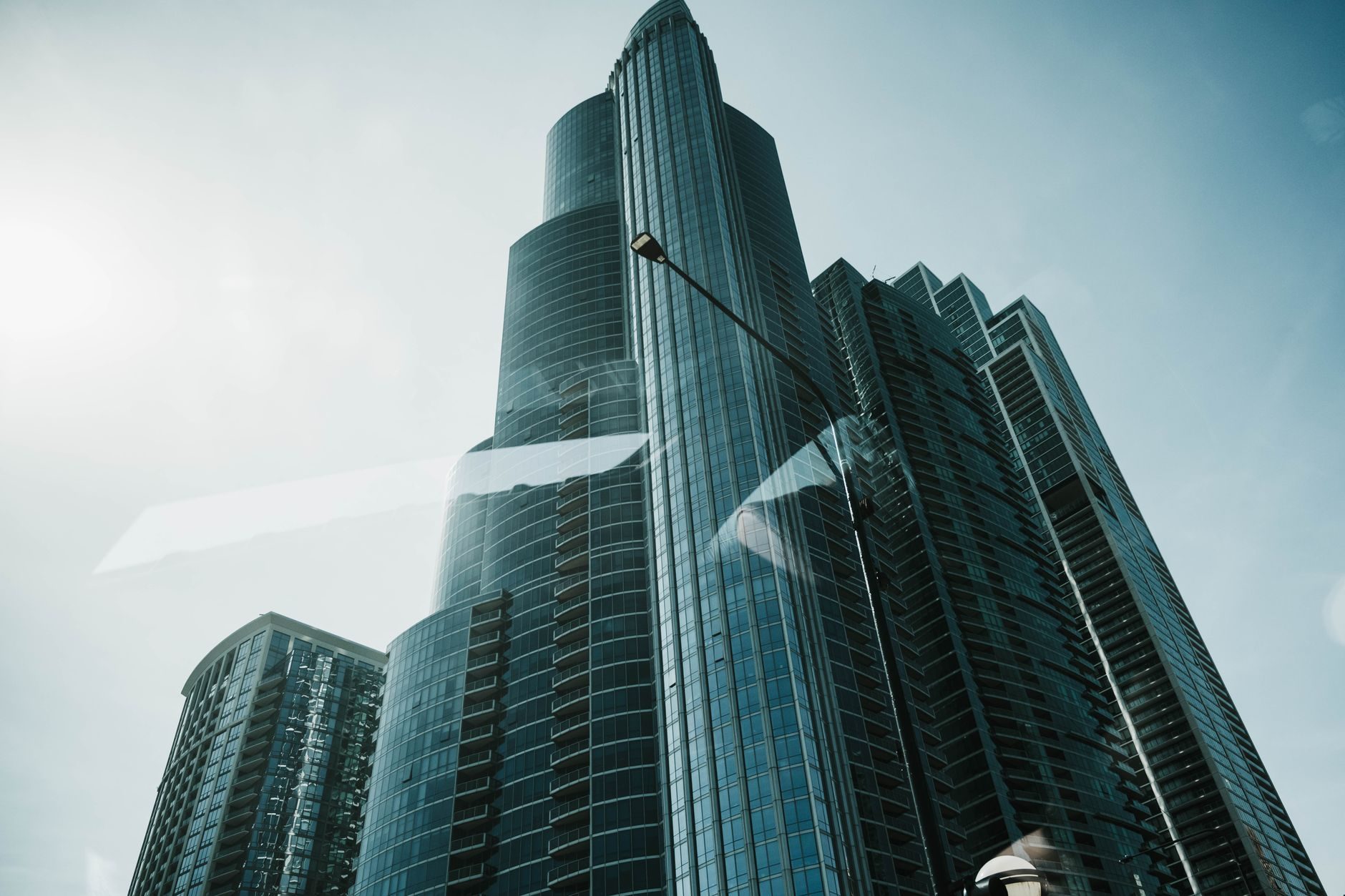
Grant Park · Cook County · IL
Homes for sale in
Grant Park.
- Active listings
- 0
- Median list
- $0
- Avg time on market
- 0 days
- Sold · last year
- 0
Active listings
0 homes on the market
No homes match these filters.
Beat the rest of the buyers
Be the first to know when a new Grant Park home hits the market
Save the search and you will get a text and an email the moment a new listing matches. Most Grant Park homes go under contract in the first week, the buyers who win are the ones who saw it first.
About the community
Living in Grant Park.
Grant Park is Chicago's 319-acre front yard, a sweeping urban park in the Loop community area that sits between the downtown skyline and Lake Michigan, bordered on the north by Randolph Street, on the south by Roosevelt Road, on the west by Michigan Avenue, and on the east by the lake. As a residential address, the area refers to the lakefront edge along Michigan Avenue, where the Historic Michigan Boulevard District forms one of the world's best-known one-sided streetwalls of vintage and high-rise buildings facing the open park. The northwestern corner of the park became Millennium Park, opened in 2004, home to Cloud Gate (the Bean), the Crown Fountain, the Frank Gehry-designed Jay Pritzker Pavilion, and the Lurie Garden. Just east across the BP Pedestrian Bridge lies Maggie Daley Park, with its climbing walls, skating ribbon, and playgrounds. The park is anchored by major museums: the Art Institute of Chicago on its western edge, and the Museum Campus to the southeast with the Field Museum, Shedd Aquarium, and Adler Planetarium. At its center is Buckingham Fountain, one of the largest fountains in the world, dedicated in 1927. The park hosts Chicago's biggest festivals, including Lollapalooza, the Taste of Chicago, and the start and finish of the Chicago Marathon. Transit is exceptional, with Millennium Station serving Metra Electric and the South Shore Line at Randolph and Michigan, plus CTA L lines a short walk west. For buyers, living in a Michigan Avenue or South Loop high-rise here means owning a permanent, protected park-and-lake view at the literal center of the city.
At a glance
Park size
Grant Park covers 319 acres between the Loop and Lake Michigan and is popularly called Chicago's front yard.
Historic Michigan Boulevard District
The Michigan Avenue streetwall facing the park, running from Roosevelt Road to Randolph Street, was designated a Chicago Landmark in 2002 and is one of the world's best-known one-sided streets.
Walk Score of 93
The South Loop edge of the park rates a Walker's Paradise, where daily errands need no car, and the Loop directly north scores 95.
Median condo price
In the adjacent South Loop the median sale price was about 380,000 dollars in early 2026, with condos listing at a median near 385,000 dollars.
Millennium Park draw
Millennium Park draws roughly 25 million visitors a year and has been named the top attraction in the Midwest and a top-ten most-visited site in the United States.
Buckingham Fountain
Dedicated in 1927 and one of the largest fountains in the world, its major display sends water as high as 150 feet, running April through October.
The museums
The Art Institute of Chicago sits on the park's western edge, and the 57-acre Museum Campus on the southeastern end holds the Field Museum, Shedd Aquarium, and Adler Planetarium.
Millennium Station rail
Millennium Station at Randolph and Michigan is the downtown terminus of Metra Electric and the South Shore Line, with over 18,000 daily boardings, the third-busiest train station in Chicago.
What it’s actually like to live here
Living along the Grant Park edge means a home in the Michigan Avenue and South Loop high-rises that face the park, where the protected streetwall guarantees that the green space and lake horizon in front of you cannot be built over. Many of the district's vintage structures, from the Auditorium Building to the Blackstone, have been renovated into condos and residences, while newer towers such as The Heritage and Legacy at Millennium Park rise behind preserved historic facades. Residents walk out their doors to the Art Institute, Millennium Park's Cloud Gate and Crown Fountain, Maggie Daley Park, Buckingham Fountain, and the Museum Campus, all within Grant Park itself, and the 18-mile Chicago Lakefront Trail runs along the park's eastern edge.
The area is among the most car-optional in the city: the South Loop edge carries a Walk Score of 93 and the Loop a 95, both Walker's Paradise ratings, with the Loop also a Rider's Paradise for transit. Commuters use Millennium Station at Randolph and Michigan for Metra Electric and South Shore Line service to the southern suburbs and Indiana, plus the dense network of CTA L lines just to the west. The resident profile skews toward downtown professionals and empty nesters drawn to lock-and-leave high-rise living with cultural amenities at the doorstep, in a South Loop market where the median sale price was about 380,000 dollars in early 2026.
Around town
What there is to do in Grant Park.
A handful of the places people who live here actually use. Not a directory.
- Culture
Millennium Park and Cloud Gate
The park's free showpiece is home to Anish Kapoor's mirror-polished Cloud Gate (the Bean), the Crown Fountain, and the Jay Pritzker Pavilion, drawing about 25 million visitors a year as the Midwest's top attraction.
- Parks
Buckingham Fountain
The rococo centerpiece of Grant Park, dedicated in 1927 and one of the largest fountains in the world, sends water up to 150 feet high during seasonal displays from April through October.
- Culture
The Art Institute of Chicago
On the park's western edge, this is one of the oldest and largest art museums in the United States, renowned for its Impressionist and American collections.
- Family
Maggie Daley Park
Just east of Millennium Park across the BP Pedestrian Bridge, this family destination offers a winding skating ribbon, a large playground, climbing walls, and tennis and pickleball courts.
- Family
The Museum Campus
This 57-acre lakefront extension at the park's southeastern end clusters the Field Museum, Shedd Aquarium, and Adler Planetarium, all reachable on foot from the Michigan Avenue residences.
- Parks
Chicago Lakefront Trail
An 18-mile multi-use path along Lake Michigan runs through the eastern edge of Grant Park, giving residents a doorstep route for running, biking, and lake views.
How Grant Park got here
A bit of history.
Grant Park began as Lake Park, designated public ground by the city in 1844, on land the original town plat had marked to remain forever open and vacant of buildings. When the Illinois Central Railroad laid track along the lakefront in 1852, the resulting lagoon was largely filled in 1871 with debris from the Great Chicago Fire, and from 1896 the city pushed the shoreline east with landfill. In 1901 the park was renamed in honor of Civil War general and U.S. President Ulysses S. Grant. Mail-order magnate Aaron Montgomery Ward fought four court battles, opposed by nearly every civic leader, to keep the park free of buildings and preserve the open lakefront view, consenting only to the Art Institute, and his vision shaped Daniel Burnham's Plan of Chicago.
Further landfill in the 1910s and 1920s supported Edward Bennett's formal Beaux-Arts landscape and created sites for the Adler Planetarium, Field Museum, and Shedd Aquarium, which were joined as the Museum Campus in 1998. The Michigan Avenue streetwall that resulted, a single built-up side facing open parkland, was recognized when the Historic Michigan Boulevard District was designated a Chicago Landmark in 2002, intended to keep the architecture and the wall of the park. In 2004, a northern section once occupied by Illinois Central rail yards and parking lots was decked over and reopened as Millennium Park.
The questions buyers actually ask
Grant Park FAQ
The questions I get most from buyers shopping Grant Park. If yours isn't here, text 224-385-8779, same-day reply.
- What kind of housing faces Grant Park?
- The residential edge is the Michigan Avenue and South Loop high-rises that make up the Historic Michigan Boulevard District streetwall, a mix of converted vintage buildings like the Auditorium and Blackstone and newer condo towers built behind preserved historic facades, such as The Heritage and Legacy at Millennium Park.
- Is the park itself protected from development?
- Yes. The land was platted to remain vacant of buildings, and Aaron Montgomery Ward won four court battles to keep Grant Park free of structures, a principle later written into Burnham's Plan of Chicago to preserve light, air, and an open outlook. The streetwall's 2002 Chicago Landmark designation reinforces the open park view.
- How is transit and walkability here?
- Excellent. The South Loop edge carries a Walk Score of 93 and the Loop a 95, both Walker's Paradise. Millennium Station at Randolph and Michigan is the downtown terminus for Metra Electric and the South Shore Line, the third-busiest station in Chicago, with CTA L lines a short walk west.
- What about festival noise and crowds?
- Grant Park hosts Chicago's biggest events, including Lollapalooza, the Taste of Chicago, the Grant Park Music Festival, and the start and finish of the Chicago Marathon, which means lively summers but also periodic crowds and street closures along the park's edge.
- What does it cost to buy here?
- In the adjacent South Loop, the median sale price was about 380,000 dollars in early 2026, with condos listing at a median around 385,000 dollars. Pricing varies widely by building and view, and park-facing Michigan Avenue high-rise condos typically price above the neighborhood median.
- What is actually within walking distance?
- From the Michigan Avenue residences you can walk to the Art Institute, Millennium Park with Cloud Gate and the Crown Fountain, Maggie Daley Park, Buckingham Fountain, the Museum Campus, and the 18-mile Lakefront Trail, all inside or bordering Grant Park.
- Who is the real estate agent for Grant Park?
- Joe Keegan is the local licensed Illinois real estate broker who covers Grant Park in Grant Park, IL through Subdiview, a neighborhood-first home search for the Chicago suburbs and collar counties. Joe prices and negotiates from the live MRED sold comps for Grant Park specifically, not national averages, and can help you buy or sell here. Reach Joe at 224-385-8779 or joe@joekeeganhomes.com.
Nearby
Neighborhoods near Grant Park.
If you’re cross-shopping the area, these are the neighborhoods right next to Grant Park.
Your local agent
Joe knows Grant Park
Most agents will list anything. I focus on the places I actually know, and the things that move value here don't show up in the MLS write-up: which streets and buildings hold demand, what the HOA or assessments really cover, how the comps read once you account for condition and location, and where buyers consistently want to be.
When you're ready to tour or list, you want someone who has read the last 50 closed comps in this specific market, not a national average, and can tell you what they actually mean for your price. That's how I work. Text or call any time, and I'll give you a real take, not a brochure.
- Licensed Illinois broker
- Comp-driven pricing
- Grant Park specialist
- Honest local market take
- Brokerocity
Thinking of selling?
What's your home actually worth?
Not a Zestimate. A real CMA from someone who's sold this neighborhood, knows the floor plan premiums, and can tell you which upgrades the buyer pool here actually pays for.
- Pricing range with comp-by-comp logic
- Pre-list improvements that pay back, and the ones that don't
- No obligation, no spam, no auto-dialer