Washington Heights · Cook County · IL
Homes for sale in
Washington Heights.
- Active listings
- 7
- Median list
- $205K
- Avg time on market
- 175 days
- Sold · last year
- 198
Active listings
7 homes on the market


Be the first to know when a new Washington Heights home hits the market
Text + email the moment a new listing matches.
About the community
Living in Washington Heights.
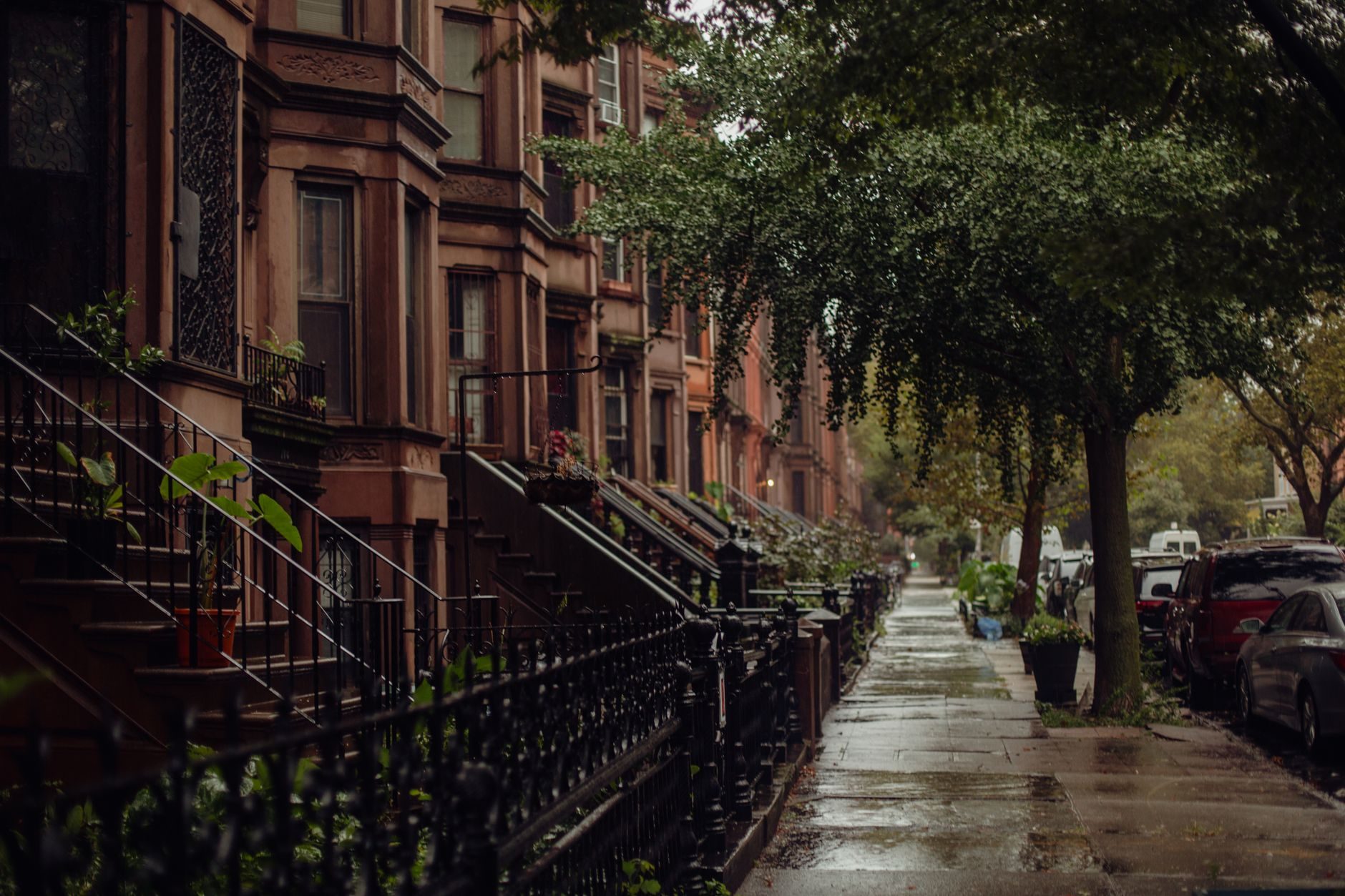
Washington Heights is a quiet, residential community area on Chicago's Far South Side, Community Area 73, sitting roughly 12 miles south of the Loop. It runs through the Brainerd, Fernwood, and Washington Heights pockets and shares the Blue Island Ridge with its better-known neighbors, with Beverly and Morgan Park to the west and Roseland to the east. The housing here is what draws buyers, block after block of solid brick Chicago bungalows and single-family homes, many built in the 1910s and 1920s, including the nationally recognized Brainerd Bungalow Historic District. It is a predominantly African American community with a strong tradition of long-term ownership rather than renting, and the character is settled and neighborly, organized around churches, parks, and the Metra Rock Island commuter line that has tied the area to downtown since the nineteenth century. It suits buyers who want an affordable, owner-occupied South Side neighborhood with genuine architectural character and a straight commute downtown.
At a glance
Population
Washington Heights had 25,065 residents as of the 2020 Census.
Homeownership
Of roughly 18,289 occupied housing units, about 73.2 percent are owner-occupied, well above the citywide rate.
Bungalow stock
The Brainerd Bungalow Historic District holds 527 Chicago bungalows built between 1915 and 1931, the second-largest bungalow district on the National Register.
Median home price
The neighborhood's median real estate price is around $271,615, reflecting South Side affordability.
Metra access
The 103rd Street/Washington Heights station on Metra's Rock Island District is 12.0 miles from LaSalle Street Station downtown.
Walkability
Washington Heights carries a Walk Score of about 53, rated somewhat walkable.
Parks
The community area includes Brainerd, Jackie Robinson, Euclid, Oakdale, and Joseph Robichaux Parks.
Demographics
The area is about 95.8 percent Black, with a small white and Hispanic population.
What it’s actually like to live here
Daily life in Washington Heights is anchored by homeownership and quiet residential streets, where roughly three-quarters of households own their homes and many have stayed for decades. The housing is overwhelmingly single-family, dominated by the brick bungalows that give blocks like those in the Brainerd district their consistent, dignified streetscape. Churches and community institutions remain central to the area's social fabric, a continuation of the club-and-congregation tradition that organized the neighborhood from its earliest days. It is a neighborhood that rewards buyers looking for a settled, owner-occupied community rather than a nightlife-and-density experience.
The Metra Rock Island District shapes the rhythm of the commute here, with the 103rd Street/Washington Heights station and the nearby 95th Street and Brainerd stops on the Beverly Branch carrying riders downtown to LaSalle Street Station, and 2026 schedule changes added more daily and weekend stops at several of these stations. Green space is close at hand, with the community area served by Brainerd, Jackie Robinson, Euclid, Oakdale, and Joseph Robichaux Parks, and the six-mile Major Taylor Trail links riders to Dan Ryan Woods and points south. Brainerd Park, with its gymnasium, baseball fields, and courts, hosts family events through the year.
Around town
What there is to do in Washington Heights.
A handful of the places people who live here actually use. Not a directory.
- Parks
Brainerd Park
A 9.56-acre Chicago Park District park with a gymnasium, multi-purpose rooms, baseball fields, and basketball, volleyball, and tennis courts.
- Culture
Carter G. Woodson Regional Library
A Chicago Public Library regional branch at 9525 S. Halsted Street, home to the Vivian G. Harsh Research Collection of African American history.
- Parks
Dan Ryan Woods
A 257-acre Forest Preserves of Cook County site just west of the neighborhood at 87th and Western, with trails and the start of the Major Taylor Trail.
- Family
Major Taylor Trail
A six-mile bike path connecting Dan Ryan Woods to Whistler Woods, running through Brainerd and neighboring South Side communities.
- Culture
103rd Street/Washington Heights Metra Station
A Rock Island District depot originally built in 1910, serving commuters 12 miles from downtown.
- Parks
Oakdale Park
A Chicago Park District park at 965 W. 95th Street with a fieldhouse and daily open hours.
By the numbers
Washington Heights taxes + market stats.
Property tax rates vary by exact township and assessor district. Confirm per address before pricing a purchase.
Median sold price
$227,050
MRED · last 12 mo (198 sales)
How Washington Heights got here
A bit of history.
From the 1830s to the 1860s the area was mostly farmland, but everything changed when the railroads arrived. Railroad workers began settling here in 1864 and 1865, and subdivision followed the rail lines that crossed the area. Washington Heights was incorporated as a village in 1874 and annexed by Chicago in 1890. The Brainerd section, settled in 1880 northwest of Washington Heights and named for one of the founders of the Rock Island Railroad, grew more slowly because it lacked direct transportation, and the Metra Rock Island line eventually ran commuters straight downtown and gave the neighborhood the stability of a self-contained community inside the city limits.
Washington Heights built its physical character in the first half of the twentieth century, as brick bungalows went up block by block and a working-class Irish, German, and Swedish population established the churches and clubs that organized daily life. The Brainerd bungalows, 527 of them constructed between 1915 and 1931, were affordable in part because the design was easy to duplicate, yet 42 different architects gave each home its own color and detail work. Beginning in the 1950s, African American families moved into the area east of Halsted Street, and over the following decades the community became predominantly African American, as it remains today.
The questions buyers actually ask
Washington Heights FAQ
The questions I get most from buyers shopping Washington Heights. If yours isn't here, text 224-385-8779, same-day reply.
- Which public schools serve Washington Heights?
- Washington Heights is served by Chicago Public Schools neighborhood schools, including Marcus Garvey Elementary at 10309 S. Morgan Street and Mount Vernon Elementary at 10540 S. Morgan Street. Because CPS assigns elementary schools by attendance boundary, the exact school depends on your address, so always confirm with the official CPS School Locator before you buy.
- How does the commute downtown work?
- The neighborhood sits on Metra's Rock Island District, with the 103rd Street/Washington Heights station 12.0 miles from LaSalle Street Station in the Loop, plus the 95th Street and Brainerd stops on the Beverly Branch. As of 2026, Metra added more daily and weekend stops on this line, and CTA buses also run on major streets like 95th and Halsted.
- Is Washington Heights affordable, and what kind of homes are here?
- Yes. The median home price is around $271,615, more affordable than most of the country, and the stock is overwhelmingly single-family, with classic brick Chicago bungalows being the signature home. The Brainerd Bungalow Historic District alone holds 527 bungalows built between 1915 and 1931.
- How do property taxes work here?
- Homes in Washington Heights are in Cook County, so they are assessed by the Cook County Assessor and taxed through the county system, with residential property assessed at 10 percent of market value. Owner-occupants should check eligibility for the Homeowner Exemption, which can lower the taxable value. Always review the specific parcel's assessment and recent tax bills before buying.
- Is this a renter or owner neighborhood?
- It is firmly an owner neighborhood. About 73.2 percent of occupied units are owner-occupied, and the community has a long tradition of long-term homeownership rather than turnover. That stability is one of the main reasons buyers are drawn here.
- What should I know before buying on the Far South Side here?
- Washington Heights is a settled, predominantly residential community area about 12 miles from the Loop, so plan for a car or Metra commute rather than walk-everywhere density, with a Walk Score around 53. The trade-off is a lot of house and character for the money, with solid 1910s and 1920s brick bungalows. Tour blocks at different times and lean on the Metra line and local parks as everyday anchors.
- Who is the real estate agent for Washington Heights?
- Joe Keegan is the local licensed Illinois real estate broker who covers Washington Heights in Washington Heights, IL through Subdiview, a neighborhood-first home search for the Chicago suburbs and collar counties. Joe prices and negotiates from the live MRED sold comps for Washington Heights specifically, not national averages, and can help you buy or sell here. Reach Joe at 224-385-8779 or joe@joekeeganhomes.com.
Nearby
Neighborhoods near Washington Heights.
If you’re cross-shopping the area, these are the neighborhoods right next to Washington Heights.
Your local agent
Joe knows Washington Heights
Most agents will list anything. I focus on the places I actually know, and the things that move value here don't show up in the MLS write-up: which streets and buildings hold demand, what the HOA or assessments really cover, how the comps read once you account for condition and location, and where buyers consistently want to be.
When you're ready to tour or list, you want someone who has read the last 50 closed comps in this specific market, not a national average, and can tell you what they actually mean for your price. That's how I work. Text or call any time, and I'll give you a real take, not a brochure.
- Licensed Illinois broker
- Comp-driven pricing
- Washington Heights specialist
- Honest local market take
- Brokerocity
Thinking of selling?
What's your home actually worth?
Not a Zestimate. A real CMA from someone who's sold this neighborhood, knows the floor plan premiums, and can tell you which upgrades the buyer pool here actually pays for.
- Pricing range with comp-by-comp logic
- Pre-list improvements that pay back, and the ones that don't
- No obligation, no spam, no auto-dialer