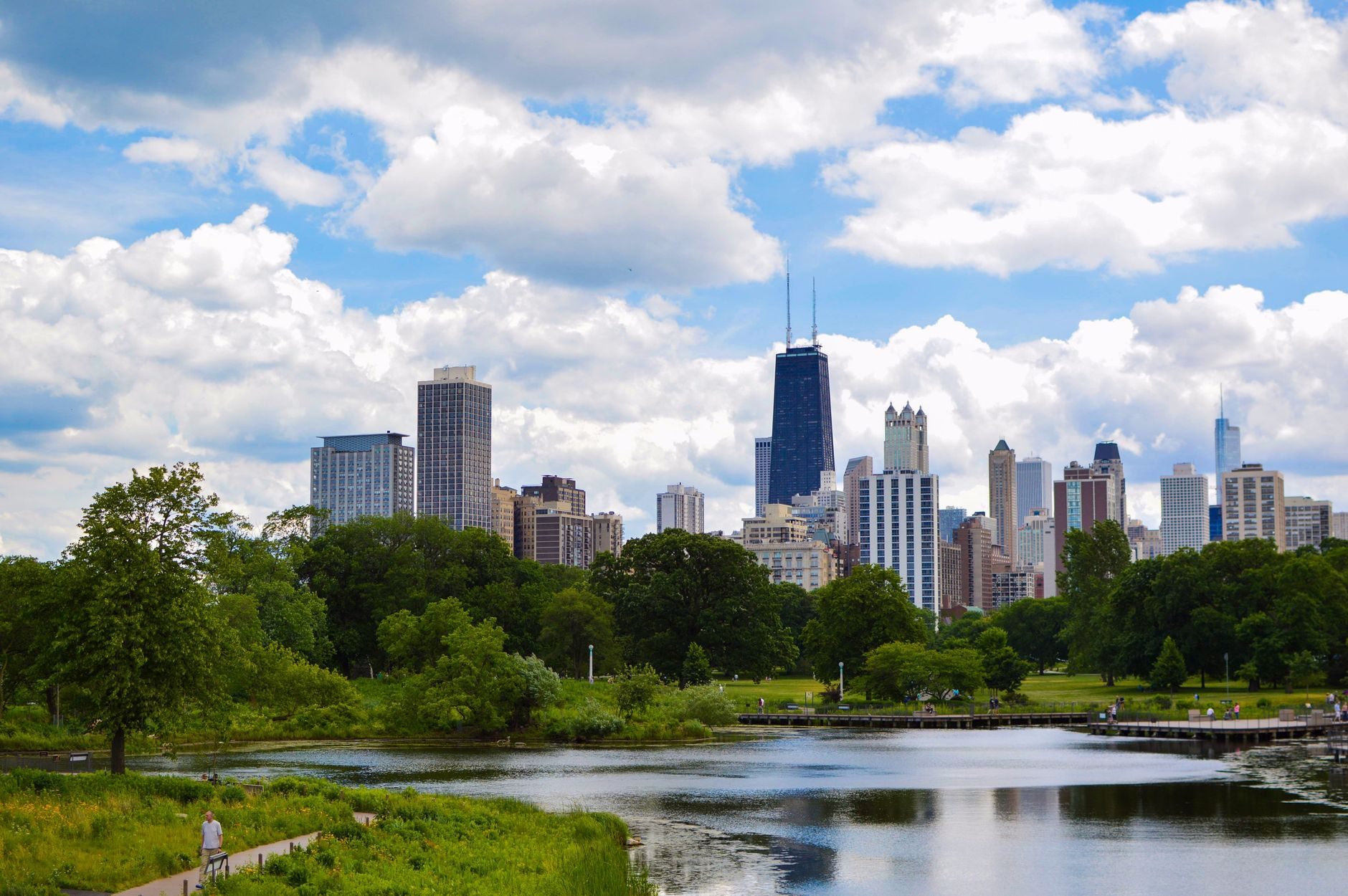
Boystown · Cook County · IL
Homes for sale in
Boystown.
- Active listings
- 0
- Median list
- $0
- Avg time on market
- 0 days
- Sold · last year
- 1
Active listings
0 homes on the market
No homes match these filters.
Beat the rest of the buyers
Be the first to know when a new Boystown home hits the market
Save the search and you will get a text and an email the moment a new listing matches. Most Boystown homes go under contract in the first week, the buyers who win are the ones who saw it first.
About the community
Living in Boystown.
Boystown, officially rebranded Northalsted by the city in 2020, is the LGBTQ heart of Chicago's East Lakeview area on the North Side, clustered along the North Halsted Street corridor between roughly Belmont Avenue and Grace Street. It sits inside the Lake View community area, with Lincoln Park as its southern neighbor and Wrigleyville just to the northwest. The housing stock is classic North Side Chicago: vintage greystone and brownstone walk-ups, three-flats and converted condos, mid-rise buildings, plus pockets of single-family homes on quieter side streets. Northalsted is known as the oldest officially recognized gay neighborhood in the United States, a distinction cemented when the city installed its first-of-its-kind rainbow pylon streetscape in 1998. The strip is a nightlife magnet, with dance clubs, drag shows, and bars including Sidetrack, Roscoe's, and Hydrate drawing crowds nightly. It hosts the annual Chicago Pride Parade each June and Northalsted Market Days in August, the largest street festival in the Midwest. The half-mile Legacy Walk, the world's only outdoor LGBTQ history museum, runs right down Halsted with 25-foot rainbow pylons and bronze memorial plaques. Transit is excellent: the CTA Red, Brown, and Purple lines stop at Belmont and Addison, and the lakefront, Belmont Harbor, and Lincoln Park are minutes east. For buyers, Northalsted offers a rare combination of vintage architecture, walk-everywhere convenience, strong transit, and a vibrant, welcoming identity that has anchored property demand for decades.
At a glance
Community area population
The Lake View community area that contains East Lakeview and Northalsted had a 2020 population of 103,050, the second largest of Chicago's 77 community areas.
Walk Score of 92
Lakeview ranks among the most walkable neighborhoods in Chicago, where most daily errands can be done on foot.
Transit access
The CTA Red, Brown, and Purple lines stop at Belmont and Addison, and Walk Score rates transit convenient for most trips.
First recognized gay village
In 1998 the city installed its rainbow pylon streetscape on North Halsted, making it the oldest officially recognized gay neighborhood in the United States.
Pride and Market Days
The neighborhood hosts the Chicago Pride Parade each June and Northalsted Market Days in August, the largest street festival in the Midwest at more than 300,000 attendees.
Median sale price
In the Lake View East area the median sale price was about 327,000 dollars, reflecting a condo-heavy market at roughly 315 dollars per square foot.
Parks and lakefront
The Lake Michigan lakefront, Belmont Harbor, and the northern reaches of the 1,188-acre Lincoln Park sit a short walk east.
What it’s actually like to live here
Daily life in Northalsted revolves around the Halsted strip and its surrounding side streets. The neighborhood is celebrated for nonstop nightlife, from dance floors and drag shows to karaoke and dive bars at spots like Sidetrack, Roscoe's, and Hydrate, alongside a deep dining bench that ranges from Ann Sather's Swedish brunch to the long-running Chicago Diner, vegetarian since 1983. Independent retail gives the strip its character, from Unabridged Bookstore to Reckless Records, and the rainbow crosswalks, murals, and Legacy Walk make the whole corridor a destination in its own right. With a Walk Score of 92, residents can handle most errands on foot.
Transit and recreation are core to the appeal. The CTA Red, Brown, and Purple lines stop at Belmont and Addison, putting downtown and the rest of the city within an easy ride, and Divvy bike-share is widely available. Wrigley Field and the energy of Wrigleyville sit just to the northwest, while a short walk east reaches the Lake Michigan lakefront, Belmont Harbor, and the northern stretches of Lincoln Park with its beaches, trails, and harbors. Center on Halsted, the Midwest's LGBTQ community center, serves more than 1,000 visitors a day at Halsted and Waveland, anchoring the neighborhood's active, urban, car-optional character.
Around town
What there is to do in Boystown.
A handful of the places people who live here actually use. Not a directory.
- Culture
The Legacy Walk
The world's only outdoor LGBTQ history museum, a half-mile of rainbow pylons on Halsted carrying bronze plaques honoring figures from Frida Kahlo to Alan Turing. Declared a Historic Landmark in 2019.
- Culture
Northalsted Market Days
Held each August along Halsted, this two-day festival is the largest street festival in the Midwest, with music stages and food and merchandise tents drawing more than 300,000 people.
- Nightlife
Sidetrack the Video Bar
A landmark Northalsted dance and video bar known for Musical Mondays and drag nights, anchoring the neighborhood's nightlife scene.
- Parks
Lincoln Park and the Lakefront
Just east of the neighborhood, Chicago's 1,188-acre Lincoln Park runs along the Lake Michigan shoreline with beaches, trails, and harbors steps from Northalsted.
- Parks
Belmont Harbor
A Chicago Park District harbor on the lakefront within Lincoln Park, offering boat slips, fishing, and lakeside recreation a short walk from Halsted.
- Family
Center on Halsted
The Midwest's most comprehensive LGBTQ community center, serving more than 1,000 people a day with health, youth, and senior services, sports, arts, and cultural programming.
By the numbers
Boystown taxes + market stats.
Property tax rates vary by exact township and assessor district. Confirm per address before pricing a purchase.
Median sold price
$265,000
MRED · last 12 mo (1 sales)
How Boystown got here
A bit of history.
LGBTQ residents began settling in the Lake View area in significant numbers through the late 1960s, 1970s, and 1980s, gravitating to the North Halsted corridor and East Lakeview, areas seen as safer and more welcoming amid discrimination elsewhere in the city. The community organized early and visibly: Chicago's pride parade has run annually since 1971, and Northalsted Market Days launched in 1982, growing into the largest street festival in the Midwest. The area became known colloquially as Boystown, and over the decades it consolidated into the best-known of Chicago's gayborhoods, dense with LGBTQ-owned bars, restaurants, theaters, and shops set among the neighborhood's greystone and brownstone walk-ups.
In 1998, the city installed its first-of-its-kind rainbow pylon streetscape along North Halsted Street, dedicating the Northalsted Corridor as the nexus of the LGBTQ community and making it the oldest officially recognized gay neighborhood in the United States. In 2012, on National Coming Out Day, the Legacy Project dedicated the Legacy Walk along the pylons, the world's only outdoor LGBTQ history museum, eventually mounting bronze biographical memorial plaques honoring figures whose contributions had been overlooked. The North Halsted pylons and Legacy Walk plaques were declared a Historic Landmark in 2019. In 2020, following a community survey by the Northalsted Business Alliance, the neighborhood was formally rebranded Northalsted, though it is still widely known as Boystown.
The questions buyers actually ask
Boystown FAQ
The questions I get most from buyers shopping Boystown. If yours isn't here, text 224-385-8779, same-day reply.
- Is the housing here mostly condos, or can I find a single-family home?
- Inventory leans heavily toward condos and converted vintage walk-ups such as greystones, brownstones, and three-flats, with single-family homes more common on quieter side streets. The Lake View East market median runs around 327,000 dollars, reflecting the condo-dominant mix.
- Is Northalsted walkable, or do I need a car?
- It is very walkable. Lakeview carries a Walk Score of 92, meaning most daily errands can be done on foot, and Walk Score rates both transit and biking as convenient for most trips, so the neighborhood is genuinely car-optional.
- How is the public transit?
- Excellent. The CTA Red, Brown, and Purple lines serve the neighborhood at the Belmont and Addison stations, connecting quickly to downtown and the rest of Chicago, and Divvy bike-share is widely available.
- What are the big annual events?
- The neighborhood hosts the Chicago Pride Parade each June and Northalsted Market Days, the largest street festival in the Midwest, in August, plus a steady calendar of nightlife and cultural programming along the Halsted strip year round.
- How close is the lakefront and green space?
- Very close. The Lake Michigan lakefront, Belmont Harbor, and the northern end of the 1,188-acre Lincoln Park are a short walk east, offering beaches, trails, and harbor recreation.
- Is there community and support infrastructure in the neighborhood?
- Yes. Center on Halsted, the Midwest's leading LGBTQ community center, sits at Halsted and Waveland and serves more than 1,000 people a day with health, youth, senior, recreation, and cultural programs.
- Who is the real estate agent for Boystown?
- Joe Keegan is the local licensed Illinois real estate broker who covers Boystown in Boystown, IL through Subdiview, a neighborhood-first home search for the Chicago suburbs and collar counties. Joe prices and negotiates from the live MRED sold comps for Boystown specifically, not national averages, and can help you buy or sell here. Reach Joe at 224-385-8779 or joe@joekeeganhomes.com.
Nearby
Neighborhoods near Boystown.
If you’re cross-shopping the area, these are the neighborhoods right next to Boystown.
Your local agent
Joe knows Boystown
Most agents will list anything. I focus on the places I actually know, and the things that move value here don't show up in the MLS write-up: which streets and buildings hold demand, what the HOA or assessments really cover, how the comps read once you account for condition and location, and where buyers consistently want to be.
When you're ready to tour or list, you want someone who has read the last 50 closed comps in this specific market, not a national average, and can tell you what they actually mean for your price. That's how I work. Text or call any time, and I'll give you a real take, not a brochure.
- Licensed Illinois broker
- Comp-driven pricing
- Boystown specialist
- Honest local market take
- Brokerocity
Thinking of selling?
What's your home actually worth?
Not a Zestimate. A real CMA from someone who's sold this neighborhood, knows the floor plan premiums, and can tell you which upgrades the buyer pool here actually pays for.
- Pricing range with comp-by-comp logic
- Pre-list improvements that pay back, and the ones that don't
- No obligation, no spam, no auto-dialer