Albany Park · Cook County · IL
Homes for sale in
Albany Park.
- Active listings
- 4
- Median list
- $446K
- Avg time on market
- 108 days
- Sold · last year
- 168
Active listings
4 homes on the market


Be the first to know when a new Albany Park home hits the market
Text + email the moment a new listing matches.
About the community
Living in Albany Park.
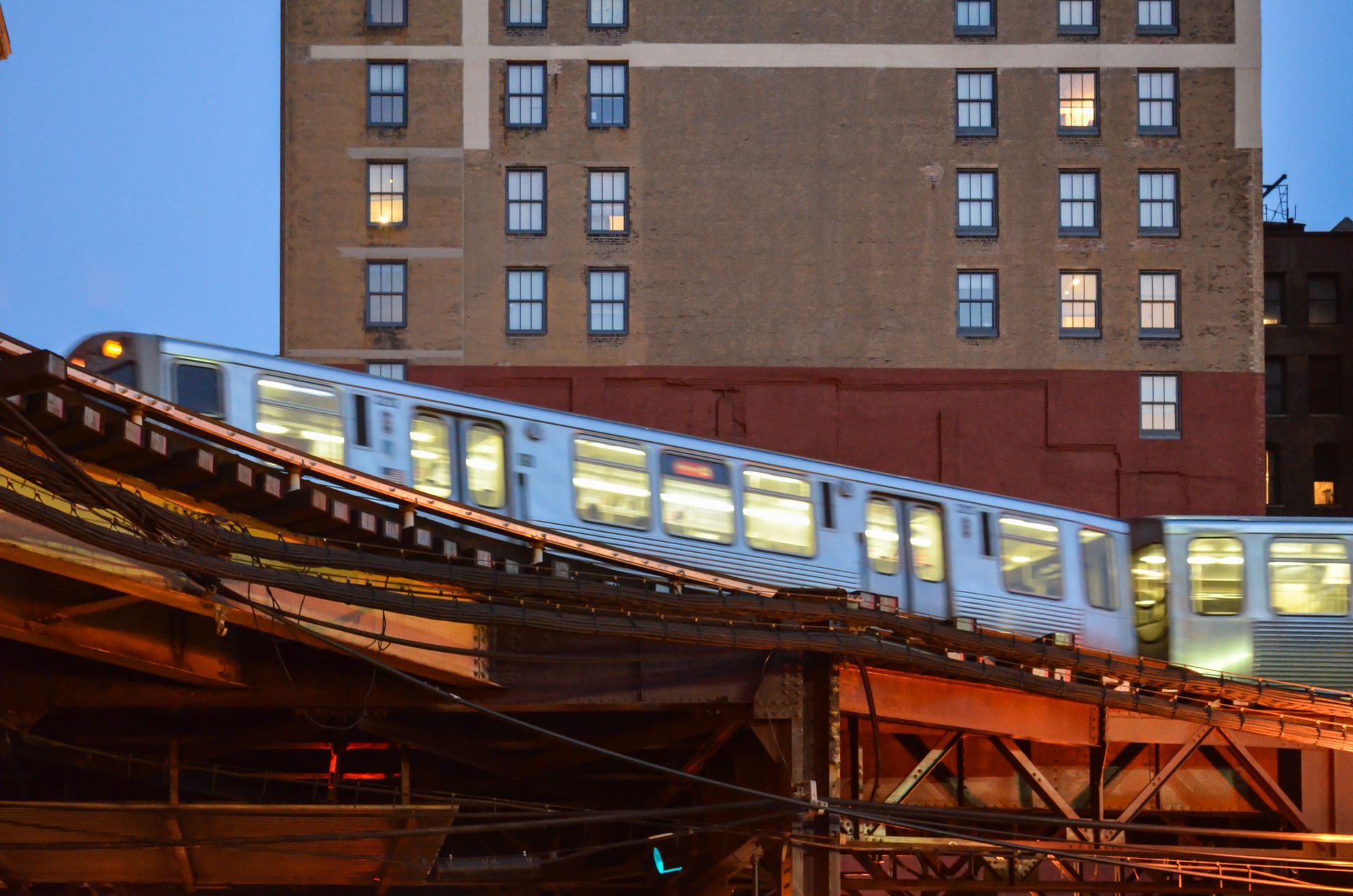
Albany Park is Community Area 14, a roughly 1.93-square-mile neighborhood on the Northwest Side of Chicago, with the North Branch of the Chicago River forming its east and north boundaries. It sits among well-loved adjacent pockets, including Ravenswood Manor along the river, North Mayfair and Mayfair to the west, and North Park just to the north, with Irving Park to the south. The housing stock is classic prewar Chicago, a walkable mix of brick bungalows, two-flats, and courtyard apartment buildings that filled in after the building boom of the early 1900s. It is one of the most ethnically diverse neighborhoods in the country, with one of the highest percentages of foreign-born residents of any Chicago neighborhood and over 40 languages spoken in its public schools. Transit is a headline feature here, since the CTA Brown Line terminates at Kimball and Lawrence right in the neighborhood, putting riders about 33 minutes from the Loop. It is a Walker's Paradise with a Walk Score of 90, a Transit Score of 63, and a Bike Score of 76. The Kedzie and Lawrence corridor delivers a genuinely global dining scene, with roughly 189 restaurants, bars, and coffee shops in the area. For buyers, that combination of value-priced vintage homes, river parks, deep diversity, and a rail terminus makes Albany Park a rare find for both owner-occupants and small multi-unit investors.
At a glance
Population near 46,620
Albany Park had a total population of 46,620 as of the 2023 estimate across its 1.93 square miles.
One of America's most diverse
The area is among the most diverse neighborhoods in Chicago and the country, with over 40 languages spoken in its public schools.
Brown Line terminus
The CTA Brown Line ends at the Kimball station at Kimball and Lawrence, about 33 minutes from the Loop.
Walk Score of 90
Albany Park rates as a Walker's Paradise with a Walk Score of 90, a Transit Score of 63, and a Bike Score of 76.
Bungalows and two-flats
The housing stock runs to brick bungalows, two-flats, and courtyard apartment buildings from the early-1900s building boom.
River parks
Ronan Park offers a nature walk along the North Branch of the Chicago River, plus a sculpture park and healing garden.
Median sale price about $486,500
The Albany Park median sale price was reported at about $486,500 as of January 2026, in a market scoring 66 out of 100 on competitiveness.
Neighborhood high school
Theodore Roosevelt High School, the area's CPS neighborhood high school, serves students who speak more than 20 languages.
What it’s actually like to live here
Daily life in Albany Park is anchored by its vintage housing and its walkability. The blocks are lined with brick bungalows, two-flats, and courtyard buildings, and the neighborhood rates as a Walker's Paradise with a Walk Score of 90, meaning daily errands generally do not require a car. Transit is part of the rhythm too, with a Transit Score of 63, the Brown Line terminus at Kimball, and CTA bus routes including the 81 Lawrence, 82 Kimball-Homan, 53 Pulaski, and 93 California running through the area. The diversity is not just demographic, it is lived on the sidewalk, where Mexican bakeries, Middle Eastern grocery stores, and longstanding Korean businesses sit side by side along Lawrence Avenue.
The Kedzie and Lawrence business district is the neighborhood's commercial heart, and the broader area is packed with roughly 189 restaurants, bars, and coffee shops, with residents able to walk to an average of nine of them within five minutes. Green space hugs the river, where Ronan Park offers a nature walk along the North Branch plus a multi-ethnic sculpture park and healing garden, and Eugene Field Park spreads across nearly 19 acres of riverfront with ballfields, tennis courts, and a playground. With its global food, riverfront parks, and easy rail access, Albany Park delivers a connected, big-city lifestyle at a more grounded price point than many North Side neighborhoods.
Around town
What there is to do in Albany Park.
A handful of the places people who live here actually use. Not a directory.
- Transit
Kimball Brown Line Station
The end of the line for the CTA Brown Line at Kimball and Lawrence, putting downtown about 33 minutes away and making car-free commuting genuinely easy.
- Parks
Ronan Park
A riverfront park with a nature walk along the North Branch of the Chicago River, a multi-ethnic sculpture park, and a healing garden, great for bird watching and strolls.
- Parks
Eugene Field Park
A nearly 19-acre park along the Chicago River with baseball fields, tennis and basketball courts, a playground, and a spray pool serving the diverse community.
- Dining and Shopping
Seoul Drive on Lawrence Avenue
The officially nicknamed Korean business stretch of Lawrence between Kedzie and Pulaski, now interwoven with Mexican bakeries and Middle Eastern grocers for a true global food crawl.
- Community
Albany Park Branch Library
A 16,000-square-foot branch at 3401 W. Foster that opened in 2014, with a YOUmedia teen space and large Korean and Spanish language collections.
- Dining
Kedzie and Lawrence Business District
The neighborhood's walkable commercial core, part of an area with roughly 189 restaurants, bars, and coffee shops within easy reach on foot.
By the numbers
Albany Park taxes + market stats.
Property tax rates vary by exact township and assessor district. Confirm per address before pricing a purchase.
Median sold price
$403,000
MRED · last 12 mo (168 sales)
How Albany Park got here
A bit of history.
The land that became Albany Park was settled in 1893, when a group of investors bought up acreage as districts closer to downtown grew crowded, and DeLancey Louderback, an investor from Albany, New York, chose the neighborhood's name in honor of his hometown. The developers added electric streetcars in 1896, and the Northwestern Elevated Railroad extended its Ravenswood branch to the Kimball terminal on December 14, 1907, which set off a building boom that filled the streets with bungalows and flats. Around the same time, the Chicago Sanitary District straightened the once-meandering North Branch of the Chicago River, which expanded and defined property lines along the new edges of the neighborhood. By 1930 the population had reached roughly 55,000, and a wave of schools, religious institutions, and parks opened to serve it.
After German and Swedish farmers built early homes in the area, the early 20th century brought upwardly mobile Russian Jewish families who moved north from the crowded Near West Side and Maxwell Street area, establishing Albany Park as a notable mid-century Jewish community. Many of those families moved to northern suburbs such as Skokie after World War II, and the population declined, leaving storefronts and properties empty. Starting in the 1970s, new immigrant waves from Asia and Latin America, mainly Korea and Guatemala, moved into the neighborhood's vacant homes and shops, and by the 1990s large communities had arrived from the Philippines, Iran, Iraq, Lebanon, Poland, Vietnam, Cambodia, Mexico, and Ecuador, among others. The Lawrence Avenue corridor between Kedzie and Pulaski became so densely Korean that the city officially nicknamed the stretch Seoul Drive.
The questions buyers actually ask
Albany Park FAQ
The questions I get most from buyers shopping Albany Park. If yours isn't here, text 224-385-8779, same-day reply.
- Which neighborhood high school serves Albany Park?
- Theodore Roosevelt High School is the CPS neighborhood high school in the heart of Albany Park, serving a student body that speaks more than 20 languages and offering AP, Honors, Dual Credit, and several Career and Technical Education pathways. The community area is also served by many CPS elementary and middle schools, including Haugan, Hibbard, Volta, and Waters.
- What is the property tax picture like here?
- Albany Park is in Cook County, so homes are subject to Cook County's property tax and assessment system, and buyers should review the most recent tax bill and any exemptions on a specific property. Confirming the exact assessed value and tax for any individual home with the Cook County Assessor before purchase is always wise.
- Is Albany Park a good place to buy a two-flat or small multi-unit?
- It can be, because the neighborhood's housing stock is rich in two-flats and courtyard buildings from the early-1900s building boom, which is exactly the type of vintage multi-unit inventory investors look for. Pricing is moderate for the North Side, with a reported median sale price of about $486,500 as of January 2026.
- How is the commute downtown?
- Very strong for transit users, since the CTA Brown Line terminates right in Albany Park at the Kimball station, with trains reaching the Loop in roughly 33 minutes, and the Kedzie and Francisco Brown Line stops plus the nearby Montrose Blue Line station add more options. The neighborhood's Transit Score is 63, reflecting many nearby public transportation options.
- The Chicago River wraps around the neighborhood, so what about flooding and river proximity?
- The North Branch of the Chicago River forms Albany Park's east and north boundaries, and the river was straightened by the Chicago Sanitary District in the early development era, which helped define property lines and drainage. Riverfront proximity is a major amenity here through parks like Ronan and Eugene Field, though buyers near the water should review flood zone status and any flood mitigation for a specific address before purchase.
- Who is the real estate agent for Albany Park?
- Joe Keegan is the local licensed Illinois real estate broker who covers Albany Park in Albany Park, IL through Subdiview, a neighborhood-first home search for the Chicago suburbs and collar counties. Joe prices and negotiates from the live MRED sold comps for Albany Park specifically, not national averages, and can help you buy or sell here. Reach Joe at 224-385-8779 or joe@joekeeganhomes.com.
Nearby
Neighborhoods near Albany Park.
If you’re cross-shopping the area, these are the neighborhoods right next to Albany Park.
Your local agent
Joe knows Albany Park
Most agents will list anything. I focus on the places I actually know, and the things that move value here don't show up in the MLS write-up: which streets and buildings hold demand, what the HOA or assessments really cover, how the comps read once you account for condition and location, and where buyers consistently want to be.
When you're ready to tour or list, you want someone who has read the last 50 closed comps in this specific market, not a national average, and can tell you what they actually mean for your price. That's how I work. Text or call any time, and I'll give you a real take, not a brochure.
- Licensed Illinois broker
- Comp-driven pricing
- Albany Park specialist
- Honest local market take
- Brokerocity
Thinking of selling?
What's your home actually worth?
Not a Zestimate. A real CMA from someone who's sold this neighborhood, knows the floor plan premiums, and can tell you which upgrades the buyer pool here actually pays for.
- Pricing range with comp-by-comp logic
- Pre-list improvements that pay back, and the ones that don't
- No obligation, no spam, no auto-dialer